

Advertisements
Nearly 40% of Americans say they could not cover a $400 emergency without borrowing or selling something. This fact shows why having an emergency savings account is very important. This guide will explain how to start one.
The goal is simple: build savings to cover medical bills, car repairs, job loss, and urgent home repairs. Your money should stay easy to access and earn interest. You will learn how much to save and where to open your account.
We also cover which types of accounts work best. High-yield emergency savings accounts often balance access and good returns. This article gives practical steps to set up an emergency savings account.
It explains how to automate deposits and when to withdraw funds. The focus is on U.S. savers, including FDIC-insured banks and NCUA-insured credit unions. You will learn how to pick the best account for your needs.
Advertisements
By the end, you will know how to choose the right account and set realistic goals. You will also learn how to automate deposits and protect your funds. The article covers tips, benefits, and common mistakes to avoid.
Key Takeaways
- Understand why an emergency savings account is essential for unexpected costs.
- Learn how to start an emergency savings account with FDIC- or NCUA-insured options.
- Set realistic emergency fund savings targets based on typical U.S. expenses.
- Use automation and high-yield accounts to grow savings while keeping funds accessible.
- Avoid common pitfalls like neglecting to replenish the fund after use.
What is an Emergency Savings Account?
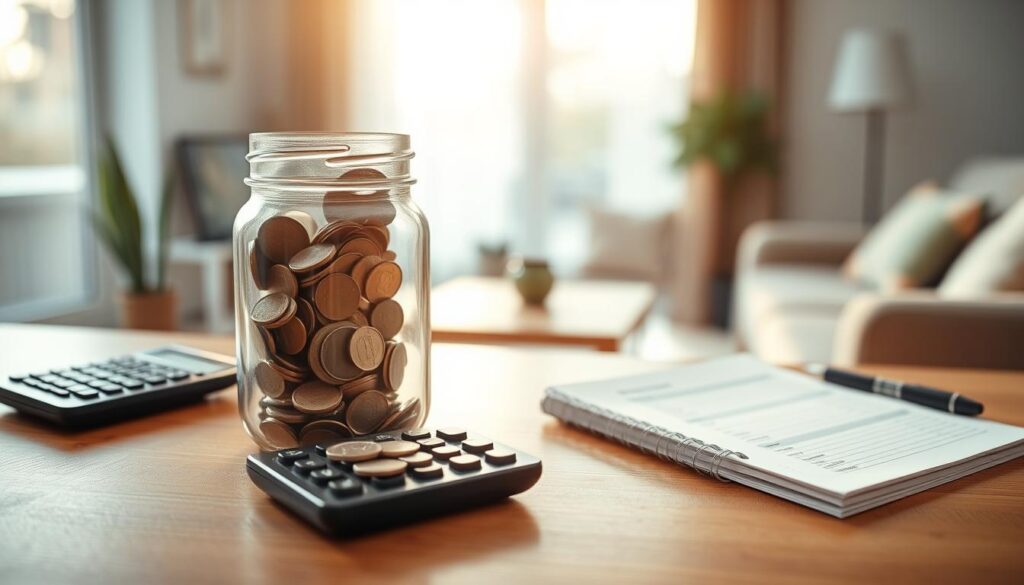
An emergency savings account holds liquid money for unplanned essential expenses. It focuses on quick access and preserving capital instead of growing in the market.
Families often keep this money separate from daily spending. This helps avoid temptation and ensures funds are ready during a crisis.
Definition and Purpose
An emergency savings account holds cash for urgent needs like medical bills, car repairs, home fixes, or a brief income loss.
It differs from general savings and investment accounts because it favors safety and liquidity. Common options include traditional savings, high-yield savings, and money market accounts from banks or credit unions.
People choose these accounts to protect purchasing power while keeping money easy to withdraw.
Importance of Having One
Emergency savings prevent high-cost debt like credit cards and payday loans. With a dedicated account, families face less financial stress and make steadier choices during tough times.
FDIC and NCUA insurance cover deposits up to certain limits. This makes insured accounts safer for emergency funds.
Beyond practical benefits, emergency savings support mental health and long-term finances. They reduce stress, help keep credit stable by lowering missed payments, and assist in budgeting when income or expenses change.
Small, regular deposits build a reliable buffer over time.
How Much Should You Save for Emergencies?
Deciding how much money to save starts with simple rules. Readers will find practical ranges and ways to calculate essential living costs. This guide helps build emergency savings for different jobs and households.
Guidelines for Savings Amounts
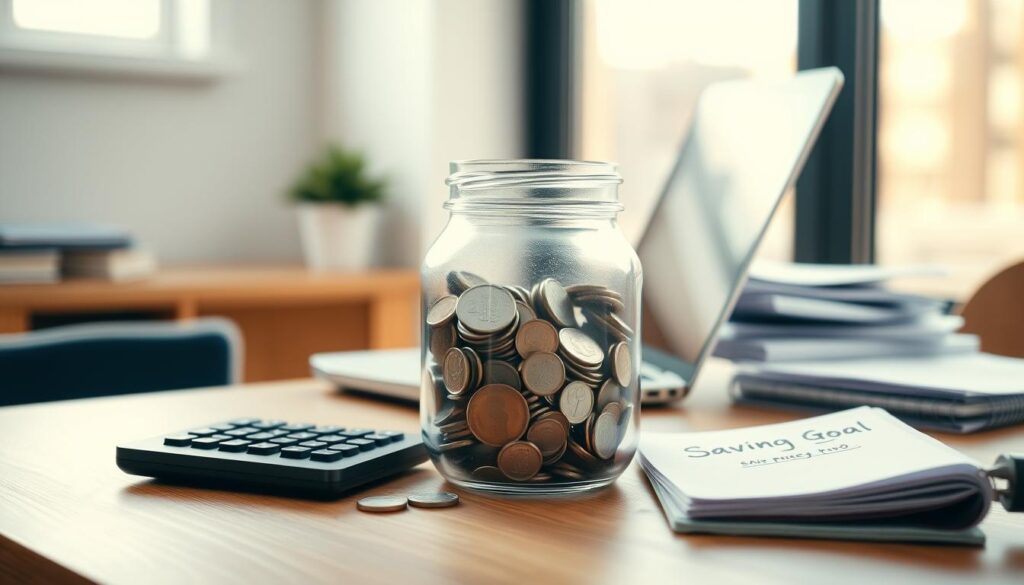
Most experts say save three to six months of essential living expenses for a typical household. Self-employed people or those with irregular income should save six to twelve months. Single-income families also need a larger cushion.
Start with a mini-fund of $500 to $1,000 for short-term surprises. Then work toward the months-of-expenses goal by automating savings or using separate accounts.
Calculate essential expenses by adding rent or mortgage, utilities, food, insurance, debt payments, transportation, child care, and medical costs. Use current bills for accuracy.
Factors to Consider
Income stability matters. Employees with steady jobs usually need a smaller buffer than freelancers or contractors with variable pay.
Household type affects savings size. Single earners and families with dependents need more money saved. Job risk in unstable fields also means saving more.
Debt obligations impact savings. Bigger fixed payments or high-interest loans increase the money needed. Health insurance and medical costs also affect this amount.
Where you live affects expenses. Expensive cities usually mean higher monthly costs. Having credit lines can ease pressure but should not replace savings.
Your comfort and time also matter. Some prefer larger emergency funds for peace of mind. Others save less and invest the rest for long-term growth.
| Household Type | Starter Mini-Fund | Recommended Range | Key Considerations |
|---|---|---|---|
| Typical salaried employee | $500–$1,000 | 3–6 months of essentials | Stable paycheck, lower buffer needed |
| Self-employed or freelance | $500–$1,000 | 6–12 months of essentials | Irregular income, higher reserve advised |
| Single-income household | $500–$1,000 | 6–12 months of essentials | Dependent risk, larger fund recommended |
| High debt obligations | $500–$1,000 | 3–12 months based on debt level | Fixed payments increase needed savings |
| High cost-of-living area | $500–$1,000 | 6–12 months of essentials | Higher monthly costs drive larger fund |
Where to Open an Emergency Savings Account
Choosing the right place to open an emergency savings account affects how fast your fund grows. It also impacts how easy it is to access your money. Consumers should compare interest rates, fees, cash access, and customer service carefully.
This comparison can help decide between branch banks, digital banks, and credit unions.
Traditional Banks vs. Online Banks
Traditional banks like Chase, Bank of America, and Wells Fargo offer branch access and many ATMs. People who want in-person service or like having checking and savings together often choose them.
These banks usually have lower APYs on savings accounts. They may charge monthly fees and require minimum balances, which can lower returns.
However, those who need quick cash or personal help find value in traditional banks.
Online banks such as Ally, Marcus by Goldman Sachs, Discover Bank, and Capital One 360 often provide higher APYs. They also charge fewer fees.
Their mobile apps and fast transfers attract tech-savvy savers looking for high-yield emergency savings accounts. But online banks have no physical branches.
This matters to people who want cashier services or prefer branch visits. When picking an online bank, check transfer limits, app quality, FDIC insurance, and customer support hours.
Credit Unions and Their Benefits
Credit unions like Navy Federal Credit Union and Alliant Credit Union are member-owned. They often offer good rates with fewer fees. Their focus is on personal service.
NCUA insurance protects deposits up to limits, just like FDIC insurance at banks. Membership may need employer, community, or group ties.
Branch access varies by credit union. They can be a great choice for emergency savings. Members may get higher yields and flexible help during hard times.
| Provider Type | Example Institutions | Typical APY | Fees | Access | Insurance |
|---|---|---|---|---|---|
| Traditional Bank | Chase, Bank of America, Wells Fargo | Low to moderate | Possible monthly fees, minimums | Branches, ATM network | FDIC |
| Online Bank | Ally, Marcus, Discover, Capital One 360 | High | Low or no monthly fees | Online, mobile apps, ACH transfers | FDIC |
| Credit Union | Navy Federal, Alliant | Moderate to high | Low fees, member-focused | Local branches vary, shared ATM networks | NCUA |
Shopping around among FDIC-insured banks and NCUA-insured credit unions helps find the best emergency savings account. Those who want the highest returns should pick high-yield online banks or strong credit unions.
People needing face-to-face service may prefer traditional banks but should watch fees and APYs carefully.
Types of Accounts for Emergency Savings
This part compares two common choices for holding an emergency fund. It explains their practical uses. Readers learn how a high-yield emergency savings account or a money market account can protect cash while keeping it accessible.
The high-yield savings option offers above-average APYs. These accounts often appear at online banks such as Ally, Marcus by Goldman Sachs, Discover, and Capital One. They provide FDIC insurance, easy online transfers to checking, and no market risk compared to stocks or mutual funds.
Typical features include tiered interest rates and low or no minimum balances. This makes the high-yield emergency savings account a strong fit where liquidity and steady, safe growth matter most.
Money market accounts blend saving with limited transactional features. Holders may get check-writing or debit access for occasional payments. MMAs can offer competitive APYs and FDIC or NCUA insurance.
Some institutions set higher minimum balances and may charge maintenance fees if conditions are not met. Use a money market account when convenience and modest transactional flexibility are priorities.
The emergency savings account benefits are clear: insured principal, quicker access than investments, and interest that helps offset inflation. Choosing between the two depends on the balance between yield, access, and minimum requirements.
Below is a concise comparison to help weigh trade-offs and pick the best emergency savings account for individual needs.
| Feature | High-Yield Savings Account | Money Market Account |
|---|---|---|
| Typical APY | Often top-tier among savings, competitive at online banks | Competitive but sometimes slightly lower than top high-yield rates |
| Access | Easy online transfers; limited withdrawals per bank policy | Limited check writing and debit access for occasional payments |
| Minimum Balance | Low or none at many providers | Often higher; may trigger maintenance fees if not met |
| Insurance | FDIC or NCUA insured | FDIC or NCUA insured |
| Best for | Maximizing interest with full liquidity | Needing some transactional convenience plus safety |
Setting Up Your Emergency Savings Account
Before opening an account, set a clear savings target and compare your options. This will help you follow a simple process for starting an emergency savings account. Also, learn how to weigh features that define the best account for your needs.
Step-by-Step Guide
1. Assess the target amount. Calculate your monthly essential expenses and set a starter goal of $500–$1,000.
After that, aim to save three to six months’ worth of living costs. This builds a stronger safety net.
2. Compare account options. Check APY, fees, minimum balances, transfer limits, and if they have FDIC or NCUA insurance.
Look for helpful mobile tools and automatic transfer features when choosing between banks. These make saving easier.
3. Open the account. Gather your driver’s license or passport, Social Security number, and routing and account numbers for funding.
4. Fund the account. Make an initial deposit that matches your starter goal. A larger deposit speeds readiness for emergencies.
5. Set up account features. Enable online access, download the mobile app, and activate automatic transfers and balance alerts for easy management.
6. Document policies. Write down withdrawal rules and promotional rate terms that may change. Keep this list for future reference.
Choosing the Right Bank or Institution
Choose institutions insured by FDIC or NCUA to keep your savings safe. A secure bank or credit union reduces risk and lets your fund grow.
Assess usability. Look for a clean mobile app, easy ACH transfers, reliable customer service hours, and instant transfer options to your checking account.
Avoid accounts with recurring fees or high transaction charges. These fees can slowly eat away at your savings over time.
Consider account separation. Opening a dedicated emergency account helps prevent mixing funds and improves tracking. Some banks offer sub-accounts or “buckets” for organizing goals.
Explore features. Linked checking accounts for instant transfers and ATM access can be useful. These perks make emergency money easier to access when needed.
Emergency savings account tips: automate deposits, review rates each year, and keep withdrawal terms documented in a safe place. These steps simplify starting and maintaining the best emergency savings account.
Strategies to Build Your Emergency Fund
Building a reliable emergency savings fund starts with systems that remove friction. Small, steady actions beat sporadic large deposits.
The following techniques help create momentum and keep liquidity for true emergencies.
Automated Savings Techniques
Set recurring ACH transfers that move a set amount from checking to a designated emergency savings account on each payday.
Treat the transfer like a bill so contributions happen automatically and without thinking.
Use round-up features from fintech firms such as Chime or Varo to funnel spare change into savings. Confirm these tools fit short-term access needs before relying on them for core emergency liquidity.
Ask an employer to split direct deposit so a percentage of each paycheck goes straight into the emergency savings fund. This reduces temptation to spend and raises savings passively.
Link increases in transfers to paycheck raises or debt payoffs. Move a portion of extra cash into the emergency savings account to accelerate progress.
Budgeting Tips for Maximum Savings
Adopt a zero-based or envelope budget to highlight discretionary spending. Identify subscriptions, dining out, or impulse buys that can be trimmed and redirected.
Apply the pay-yourself-first rule by making emergency contributions a top priority. Automate that payment so the habit forms before discretionary spending occurs.
Track expenses with apps like Mint, YNAB, or Personal Capital to find leaks. Use insights to rebalance categories and free up cash for savings.
Channel windfalls like tax refunds, bonuses, or cash gifts into the fund to speed growth. Keep automation in place during ordinary months.
Review contributions monthly and adjust for changing costs or goals. Pause or reduce transfers only when necessary, then restore the plan promptly.
How to Keep Your Emergency Fund Accessible
Keeping cash available is key when building an emergency savings account. The choice between instant-access accounts and longer-term options affects how fast you get money. A clear plan helps avoid delays and surprise charges.
Instant Access vs. Long-Term Accounts
Instant-access accounts include online savings, high-yield savings, and money market accounts. These often allow online transfers with same-day access depending on the bank. They make withdrawals easy and are best for most emergency funds.
Longer-term options like certificates of deposit (CDs) or short-term Treasury bills often pay higher interest. These usually have penalties or waiting times for early withdrawals. Investing all your funds in illiquid accounts risks slow access during urgent times.
Many savers find a balance between liquidity and yield works best. Keep most of your emergency fund in instant-access accounts. You can ladder short-term CDs for a smaller part if you want more earnings and accept less liquidity.
Withdrawal Policies to Know
Banks differ in transfer limits and timing. Check your bank’s rules for transfer caps, ACH timing, and check-writing options. Knowing this helps avoid surprises when you need money quickly.
Regulation D once limited some withdrawals to six per month. Though federal rules changed, many banks still have internal limits. Confirm these before relying on one account for all emergencies.
Fees and penalties can reduce your cash available. Early CD withdrawals often have penalties. Using out-of-network ATMs may cause fees. Account maintenance fees can shrink your emergency balance. Review fees so funds stay usable when needed.
Linking a checking account to your savings saves time. Transfers between linked accounts clear faster than external ones. Test a small transfer to see how quickly money reaches checking in real life.
| Account Type | Typical Access Time | Common Fees or Limits | Best Use |
|---|---|---|---|
| Online High-Yield Savings | Same-day to 1 business day | Possible ACH limits; rare maintenance fees | Primary emergency cash |
| Money Market Account | Same-day to 1–2 business days | Check-writing limits; some monthly withdrawal caps | Accessible funds with check option |
| Short-Term CD Ladder | Penalty for early withdrawal; scheduled maturities | Early withdrawal penalty; fixed term | Part of fund for higher yield |
| Short-Term Treasury Bills | Matures in 4–52 weeks; secondary market access varies | Market timing; possible brokerage transfer delays | Low-risk yield for non-core portion |
| Linked Checking Account | Immediate once transferred | Overdraft or transfer fees possible | Fast access in emergencies |
Knowing When to Use Your Emergency Savings
An emergency savings fund protects your basic living standards and your financial stability during unexpected events. Clear rules help keep it safe for real crises. They also stop small temptations from depleting months of careful saving.
Defining qualifying emergencies
Use the fund for unforeseen, essential costs that could cause immediate harm or income loss if unpaid. Examples include sudden unemployment, urgent medical bills, and major car repairs needed for work. Emergency home repairs like a leaking roof or furnace failure also qualify.
If skipping payment means missed bills, lost paychecks, or health risks, it meets the test for emergency use.
Exclude planned and discretionary costs
Do not use the emergency account for vacations, nonessential electronics, or routine maintenance. These costs should come from your regular budget or a separate sinking fund.
Set up special funds for planned costs like a car replacement or holiday gifts.
Decision rules to follow
- Ask: Will skipping this payment cause immediate harm, missed bills, or lost income?
- If yes, withdrawing money is justified.
- If no, delay spending and use another savings account.
Avoiding unnecessary withdrawals
Use strict withdrawal rules and write down the reason before taking money out. This brief note creates a pause and reduces impulse spending. Make the account harder to access by choosing a different bank, avoiding debit cards, or setting transfer delays for added friction.
Alternative strategies
Create separate sinking funds for expected costs. This prevents planned spending from hurting your emergency savings fund. Use automatic transfers to keep those goals on track without touching your main reserve.
Replenishment plan
Set a timeline to restore any used funds. A common rule is to rebuild withdrawals within six months. Use automatic transfers that prioritize replenishment to avoid long periods of risk.
Practical emergency savings account tips
- Keep a clear list of qualifying events with your account records.
- Make the account slightly hard to access to prevent casual use.
- Review rules yearly and after big life changes like a new job or moving.
Knowing when to use emergency savings and following strict rules helps keep your household protected. Careful use and a good replenishment plan keep the fund ready for when it matters most.
Tips for Enhancing Your Emergency Fund
Building a reliable emergency fund takes small changes that add up. The following strategies help readers increase emergency savings. They also keep funds liquid and practical for true emergencies.
Increase savings rate gradually.
Set automated transfers that rise when income grows or expenses fall. A 1–2% boost after a raise or paid-off loan can help. Use percentage-based targets, like saving 10% of take-home pay. Mark milestones with rewards to keep motivation high.
Trim recurring costs.
Review subscriptions and negotiate bills such as internet or phone. Refinancing high-interest auto loans and consolidating credit card debt can lower payments. Redirect these savings into the emergency fund to build it faster.
Short-term austerity for speed.
During fund-building phases, temporarily cut discretionary spending. Redirect dining out, streaming extras, or impulse purchases. Small changes each month create a sizable buffer in a year.
Use windfalls strategically.
Earmark bonuses, tax refunds, and one-time payments for the emergency fund. This preserves regular cash flow and speeds up balance growth.
Create multiple income streams.
Side income options in the United States include ride-share driving, food delivery, freelance writing, and graphic design. Tutoring and part-time retail or hospitality roles also add income. Selling unused items or monetizing hobbies on Etsy or eBay brings quick cash for savings.
Prioritize reliable and liquid options.
Consider cash-back apps, high-yield savings promotions, or short-term gig work. These are more accessible and predictable than speculative investments. Liquidity matters when funds must cover urgent expenses.
Mind tax and legal obligations.
Income from side gigs may trigger self-employment taxes and IRS reporting requirements. Keep detailed records and consult a tax professional if earnings grow beyond casual side income.
| Action | Estimated Monthly Impact | Ease of Implementation |
|---|---|---|
| Increase automated transfer by 1% of pay | $50–$200 depending on income | Easy |
| Cancel unused subscriptions | $10–$60 | Very easy |
| Refinance high-interest loan | $100–$300 | Moderate |
| Side gig (ride-share or delivery) | $300–$1,000 | Moderate |
| Sell unused items online | $50–$500 one-time | Easy |
| Apply cash-back apps / promos | $5–$50 | Very easy |
These practical steps reflect common tips for emergency savings accounts. Readers who combine higher saving rates with extra income will steadily build their emergency savings. This keeps money accessible for real needs.
Common Mistakes to Avoid
Building an emergency savings fund takes discipline. Many savers make common mistakes that hurt financial strength. The next sections explain two frequent issues and how to fix them.
Neglecting to Replenish Your Fund
Using emergency savings without a plan to refill it creates risk. After spending, a family can face another problem and fall into debt if they don’t rebuild the fund.
Corrective steps include restarting automatic transfers quickly and increasing the amount for some months. Changing budget priorities can free money to refill the fund faster. Tracking every withdrawal helps spot patterns and supports faster rebuilding.
Set clear goals by choosing a timeline and monthly targets to replenish your fund. For example, if the fund is $2,000 short and you add $250 each month, it takes eight months. Clear numbers help with sticking to the plan.
Underestimating Emergency Needs
Many people do not count all likely costs. Common misses include medical bills, long unemployment, and higher local living costs. These gaps mean your emergency fund might seem enough until a big bill appears.
Regular reviews lower this risk. Check your target savings at least once a year and after big life changes like marriage, a new child, or a job change. Update the target to cover minimum debt payments, insurance deductibles, and fixed bills.
Relying on credit is risky. Credit lines can disappear during hard times. Cash savings work better when borrowing options get tight. Realistic plans and a good emergency fund make tough events easier to handle.
The Psychological Benefits of an Emergency Savings Account
An emergency savings account does more than store cash. It creates a financial cushion that lowers everyday anxiety about surprise expenses. In the United States, this fund helps people avoid late payments and high-interest credit cards.
It also reduces the chance they will need payday loans during a crisis.
Reducing Financial Stress
Knowing there is a set-aside balance cuts the mental load of uncertainty. People say they sleep better and focus more clearly when a buffer covers car repairs, medical bills, or job interruptions.
Treating the account like insurance helps families handle shocks without harming monthly bills or long-term goals.
Building Confidence in Financial Decisions
A funded emergency savings account enables smarter choices. It lets someone consider changing careers, start investing for retirement, or buy a home without fearing money problems.
Clear savings habits and visible milestones—like reaching a starter goal or saving three months’ expenses—build positive behavior and confidence.
Combining practical steps—choosing the right account, automating deposits, and keeping funds accessible—with emotional benefits creates lasting security. Following tips and steady progress turns short-term relief into strong stability for households nationwide.
FAQ
What is an emergency savings account and how does it differ from regular savings?
How much should someone save for emergencies?
FAQ
What is an emergency savings account and how does it differ from regular savings?
An emergency savings account is a liquid, dedicated pool of money reserved for unplanned essential expenses such as urgent medical bills, car or home repairs, or temporary loss of income.
Unlike general savings or investment accounts, it prioritizes liquidity and capital preservation over growth.
People typically use FDIC-insured savings, high-yield savings accounts, NCUA-insured credit union accounts, or money market accounts to keep funds accessible while earning interest.
How much should someone save for emergencies?
Common guidance suggests 3–6 months of essential living expenses for most people, and 6–12 months for self-employed or single-income households.
As a starter goal, experts recommend setting aside 0–
FAQ
What is an emergency savings account and how does it differ from regular savings?
An emergency savings account is a liquid, dedicated pool of money reserved for unplanned essential expenses such as urgent medical bills, car or home repairs, or temporary loss of income.
Unlike general savings or investment accounts, it prioritizes liquidity and capital preservation over growth.
People typically use FDIC-insured savings, high-yield savings accounts, NCUA-insured credit union accounts, or money market accounts to keep funds accessible while earning interest.
How much should someone save for emergencies?
Common guidance suggests 3–6 months of essential living expenses for most people, and 6–12 months for self-employed or single-income households.
As a starter goal, experts recommend setting aside $500–$1,000 for immediate short-term needs.
Then build toward the months-of-expenses target by calculating rent or mortgage, utilities, food, insurance, minimum debt payments, and transportation.
Where is the best place to open an emergency savings account?
The “best” place depends on priorities.
Online banks such as Ally, Marcus by Goldman Sachs, Discover, and Capital One 360 often offer higher APYs and low fees.
Traditional banks like Chase, Bank of America, and Wells Fargo provide branch access and bundled services but tend to pay lower interest.
Credit unions such as Navy Federal or Alliant may offer competitive rates and personalized service.
Ensure FDIC or NCUA insurance and compare APY, fees, transfer limits, and mobile tools before choosing.
Should emergency funds be kept in high-yield savings accounts or money market accounts?
Both are appropriate.
High-yield savings accounts offer competitive APYs with low minimums and easy online transfers, making them ideal for most emergency funds.
Money market accounts can offer similar or higher yields plus limited check-writing or debit access but may need higher minimum balances.
Choose based on liquidity needs, APY, and any maintenance fees or transactional limits.
How does one set up an emergency savings account step-by-step?
Start by calculating essential monthly expenses and selecting a target, such as $500–$1,000, then 3–6 months.
Compare institutions for APY, fees, insurance, and usability before proceeding.
Gather identification, Social Security number, and checking account details to open and fund the account.
Enable online access, mobile app, automatic transfers, and alerts for convenience and reminders.
Document withdrawal rules and promotional-rate terms.
Consider using separate accounts or sub-accounts to avoid co-mingling funds.
How can someone build their emergency fund faster?
Automate contributions from each paycheck using recurring ACH transfers or direct deposit splits.
Use round-up tools, apply windfalls like tax refunds and bonuses to the fund, and trim discretionary spending through budgeting.
Increase the transfer percentage when income rises or debts are paid off.
Consider side income—gig work, freelance projects, or selling unused items—to accelerate savings.
How accessible should the emergency fund be? Are CDs or Treasury bills a good option?
The core emergency fund should be in an instant-access account like a high-yield savings or money market account.
CDs and short-term Treasury bills can offer higher returns but are less liquid and may impose penalties or waiting periods.
A balanced approach keeps the primary amount accessible and ladders a small portion into short-term CDs for extra yield.
What counts as an appropriate emergency withdrawal?
Appropriate emergencies are unforeseen, essential expenses threatening financial stability or basic living standards.
Examples include sudden unemployment, urgent medical bills, major car repairs needed for work, or critical home repairs like roof or furnace failure.
Planned discretionary expenses like vacations or nonessential purchases should never come from the emergency fund.
Establish clear rules and a replenishment plan before withdrawing.
How should someone avoid depleting their emergency savings for non-emergencies?
Create strict withdrawal criteria and consider holding the fund in a separate institution or account without a linked debit card.
Build separate sinking funds for predictable expenses like car replacement or holidays.
Before withdrawing, document the reason and require a plan to rebuild the fund within a set timeframe, such as six months.
What common mistakes do people make with emergency savings?
Common errors include failing to replenish the fund after use, underestimating coverage, and relying solely on credit.
People often keep the fund in low-interest or illiquid accounts too.
Avoid these by automating replenishment, reassessing targets after big life changes, and choosing insured accounts with reasonable yields.
Are emergency savings accounts insured and safe?
Yes—deposits at FDIC-insured banks and NCUA-insured credit unions are protected up to applicable limits.
This makes these accounts safe for emergency holdings.
Confirm insurance limits and account titling rules to ensure full protection.
Insurance does not cover investment products like mutual funds or stocks.
Keep emergency funds in deposit accounts, not market investments.
Can using high-yield savings accounts keep pace with inflation?
High-yield savings accounts often offer better returns than traditional savings but may not fully match inflation long-term.
Their main role is preserving purchasing power and ensuring liquidity, not maximizing growth.
For long-term goals, investments may outpace inflation, but emergency savings should stay liquid and low-risk to avoid losses.
How often should someone review or adjust their emergency savings target?
Review the emergency savings target annually and after major life events like marriage, a new child, or job change.
Recalculate monthly expenses, account for insurance deductibles, and adjust the months-of-expenses goal as needed.
What banking features are most useful for emergency savings?
Useful features include competitive APYs, low maintenance fees, easy online and mobile access, and automatic transfer capabilities.
Alerts for low balances, fast ACH transfer timing, and FDIC/NCUA insurance are valuable.
Sub-account “buckets,” round-up tools, and direct deposit split options can help automate and organize savings.
Is it okay to keep emergency savings at the same bank as checking?
It’s acceptable and convenient to keep emergency savings linked to a checking account for fast transfers.
However, separating the account at a different institution can create a psychological barrier to impulse withdrawals.
The key is to maintain clear rules, automated savings, and quick access when needed.
Choose the setup that best balances accessibility and discipline for you.
,000 for immediate short-term needs.
Then build toward the months-of-expenses target by calculating rent or mortgage, utilities, food, insurance, minimum debt payments, and transportation.
Where is the best place to open an emergency savings account?
The “best” place depends on priorities.
Online banks such as Ally, Marcus by Goldman Sachs, Discover, and Capital One 360 often offer higher APYs and low fees.
Traditional banks like Chase, Bank of America, and Wells Fargo provide branch access and bundled services but tend to pay lower interest.
Credit unions such as Navy Federal or Alliant may offer competitive rates and personalized service.
Ensure FDIC or NCUA insurance and compare APY, fees, transfer limits, and mobile tools before choosing.
Should emergency funds be kept in high-yield savings accounts or money market accounts?
Both are appropriate.
High-yield savings accounts offer competitive APYs with low minimums and easy online transfers, making them ideal for most emergency funds.
Money market accounts can offer similar or higher yields plus limited check-writing or debit access but may need higher minimum balances.
Choose based on liquidity needs, APY, and any maintenance fees or transactional limits.
How does one set up an emergency savings account step-by-step?
Start by calculating essential monthly expenses and selecting a target, such as 0–
FAQ
What is an emergency savings account and how does it differ from regular savings?
An emergency savings account is a liquid, dedicated pool of money reserved for unplanned essential expenses such as urgent medical bills, car or home repairs, or temporary loss of income.
Unlike general savings or investment accounts, it prioritizes liquidity and capital preservation over growth.
People typically use FDIC-insured savings, high-yield savings accounts, NCUA-insured credit union accounts, or money market accounts to keep funds accessible while earning interest.
How much should someone save for emergencies?
Common guidance suggests 3–6 months of essential living expenses for most people, and 6–12 months for self-employed or single-income households.
As a starter goal, experts recommend setting aside $500–$1,000 for immediate short-term needs.
Then build toward the months-of-expenses target by calculating rent or mortgage, utilities, food, insurance, minimum debt payments, and transportation.
Where is the best place to open an emergency savings account?
The “best” place depends on priorities.
Online banks such as Ally, Marcus by Goldman Sachs, Discover, and Capital One 360 often offer higher APYs and low fees.
Traditional banks like Chase, Bank of America, and Wells Fargo provide branch access and bundled services but tend to pay lower interest.
Credit unions such as Navy Federal or Alliant may offer competitive rates and personalized service.
Ensure FDIC or NCUA insurance and compare APY, fees, transfer limits, and mobile tools before choosing.
Should emergency funds be kept in high-yield savings accounts or money market accounts?
Both are appropriate.
High-yield savings accounts offer competitive APYs with low minimums and easy online transfers, making them ideal for most emergency funds.
Money market accounts can offer similar or higher yields plus limited check-writing or debit access but may need higher minimum balances.
Choose based on liquidity needs, APY, and any maintenance fees or transactional limits.
How does one set up an emergency savings account step-by-step?
Start by calculating essential monthly expenses and selecting a target, such as $500–$1,000, then 3–6 months.
Compare institutions for APY, fees, insurance, and usability before proceeding.
Gather identification, Social Security number, and checking account details to open and fund the account.
Enable online access, mobile app, automatic transfers, and alerts for convenience and reminders.
Document withdrawal rules and promotional-rate terms.
Consider using separate accounts or sub-accounts to avoid co-mingling funds.
How can someone build their emergency fund faster?
Automate contributions from each paycheck using recurring ACH transfers or direct deposit splits.
Use round-up tools, apply windfalls like tax refunds and bonuses to the fund, and trim discretionary spending through budgeting.
Increase the transfer percentage when income rises or debts are paid off.
Consider side income—gig work, freelance projects, or selling unused items—to accelerate savings.
How accessible should the emergency fund be? Are CDs or Treasury bills a good option?
The core emergency fund should be in an instant-access account like a high-yield savings or money market account.
CDs and short-term Treasury bills can offer higher returns but are less liquid and may impose penalties or waiting periods.
A balanced approach keeps the primary amount accessible and ladders a small portion into short-term CDs for extra yield.
What counts as an appropriate emergency withdrawal?
Appropriate emergencies are unforeseen, essential expenses threatening financial stability or basic living standards.
Examples include sudden unemployment, urgent medical bills, major car repairs needed for work, or critical home repairs like roof or furnace failure.
Planned discretionary expenses like vacations or nonessential purchases should never come from the emergency fund.
Establish clear rules and a replenishment plan before withdrawing.
How should someone avoid depleting their emergency savings for non-emergencies?
Create strict withdrawal criteria and consider holding the fund in a separate institution or account without a linked debit card.
Build separate sinking funds for predictable expenses like car replacement or holidays.
Before withdrawing, document the reason and require a plan to rebuild the fund within a set timeframe, such as six months.
What common mistakes do people make with emergency savings?
Common errors include failing to replenish the fund after use, underestimating coverage, and relying solely on credit.
People often keep the fund in low-interest or illiquid accounts too.
Avoid these by automating replenishment, reassessing targets after big life changes, and choosing insured accounts with reasonable yields.
Are emergency savings accounts insured and safe?
Yes—deposits at FDIC-insured banks and NCUA-insured credit unions are protected up to applicable limits.
This makes these accounts safe for emergency holdings.
Confirm insurance limits and account titling rules to ensure full protection.
Insurance does not cover investment products like mutual funds or stocks.
Keep emergency funds in deposit accounts, not market investments.
Can using high-yield savings accounts keep pace with inflation?
High-yield savings accounts often offer better returns than traditional savings but may not fully match inflation long-term.
Their main role is preserving purchasing power and ensuring liquidity, not maximizing growth.
For long-term goals, investments may outpace inflation, but emergency savings should stay liquid and low-risk to avoid losses.
How often should someone review or adjust their emergency savings target?
Review the emergency savings target annually and after major life events like marriage, a new child, or job change.
Recalculate monthly expenses, account for insurance deductibles, and adjust the months-of-expenses goal as needed.
What banking features are most useful for emergency savings?
Useful features include competitive APYs, low maintenance fees, easy online and mobile access, and automatic transfer capabilities.
Alerts for low balances, fast ACH transfer timing, and FDIC/NCUA insurance are valuable.
Sub-account “buckets,” round-up tools, and direct deposit split options can help automate and organize savings.
Is it okay to keep emergency savings at the same bank as checking?
It’s acceptable and convenient to keep emergency savings linked to a checking account for fast transfers.
However, separating the account at a different institution can create a psychological barrier to impulse withdrawals.
The key is to maintain clear rules, automated savings, and quick access when needed.
Choose the setup that best balances accessibility and discipline for you.
,000, then 3–6 months.
Compare institutions for APY, fees, insurance, and usability before proceeding.
Gather identification, Social Security number, and checking account details to open and fund the account.
Enable online access, mobile app, automatic transfers, and alerts for convenience and reminders.
Document withdrawal rules and promotional-rate terms.
Consider using separate accounts or sub-accounts to avoid co-mingling funds.
How can someone build their emergency fund faster?
Automate contributions from each paycheck using recurring ACH transfers or direct deposit splits.
Use round-up tools, apply windfalls like tax refunds and bonuses to the fund, and trim discretionary spending through budgeting.
Increase the transfer percentage when income rises or debts are paid off.
Consider side income—gig work, freelance projects, or selling unused items—to accelerate savings.
How accessible should the emergency fund be? Are CDs or Treasury bills a good option?
The core emergency fund should be in an instant-access account like a high-yield savings or money market account.
CDs and short-term Treasury bills can offer higher returns but are less liquid and may impose penalties or waiting periods.
A balanced approach keeps the primary amount accessible and ladders a small portion into short-term CDs for extra yield.
What counts as an appropriate emergency withdrawal?
Appropriate emergencies are unforeseen, essential expenses threatening financial stability or basic living standards.
Examples include sudden unemployment, urgent medical bills, major car repairs needed for work, or critical home repairs like roof or furnace failure.
Planned discretionary expenses like vacations or nonessential purchases should never come from the emergency fund.
Establish clear rules and a replenishment plan before withdrawing.
How should someone avoid depleting their emergency savings for non-emergencies?
Create strict withdrawal criteria and consider holding the fund in a separate institution or account without a linked debit card.
Build separate sinking funds for predictable expenses like car replacement or holidays.
Before withdrawing, document the reason and require a plan to rebuild the fund within a set timeframe, such as six months.
What common mistakes do people make with emergency savings?
Common errors include failing to replenish the fund after use, underestimating coverage, and relying solely on credit.
People often keep the fund in low-interest or illiquid accounts too.
Avoid these by automating replenishment, reassessing targets after big life changes, and choosing insured accounts with reasonable yields.
Are emergency savings accounts insured and safe?
Yes—deposits at FDIC-insured banks and NCUA-insured credit unions are protected up to applicable limits.
This makes these accounts safe for emergency holdings.
Confirm insurance limits and account titling rules to ensure full protection.
Insurance does not cover investment products like mutual funds or stocks.
Keep emergency funds in deposit accounts, not market investments.
Can using high-yield savings accounts keep pace with inflation?
High-yield savings accounts often offer better returns than traditional savings but may not fully match inflation long-term.
Their main role is preserving purchasing power and ensuring liquidity, not maximizing growth.
For long-term goals, investments may outpace inflation, but emergency savings should stay liquid and low-risk to avoid losses.
How often should someone review or adjust their emergency savings target?
Review the emergency savings target annually and after major life events like marriage, a new child, or job change.
Recalculate monthly expenses, account for insurance deductibles, and adjust the months-of-expenses goal as needed.
What banking features are most useful for emergency savings?
Useful features include competitive APYs, low maintenance fees, easy online and mobile access, and automatic transfer capabilities.
Alerts for low balances, fast ACH transfer timing, and FDIC/NCUA insurance are valuable.
Sub-account “buckets,” round-up tools, and direct deposit split options can help automate and organize savings.
Is it okay to keep emergency savings at the same bank as checking?
It’s acceptable and convenient to keep emergency savings linked to a checking account for fast transfers.
However, separating the account at a different institution can create a psychological barrier to impulse withdrawals.
The key is to maintain clear rules, automated savings, and quick access when needed.
Choose the setup that best balances accessibility and discipline for you.
FAQ
What is an emergency savings account and how does it differ from regular savings?
An emergency savings account is a liquid, dedicated pool of money reserved for unplanned essential expenses such as urgent medical bills, car or home repairs, or temporary loss of income.
Unlike general savings or investment accounts, it prioritizes liquidity and capital preservation over growth.
People typically use FDIC-insured savings, high-yield savings accounts, NCUA-insured credit union accounts, or money market accounts to keep funds accessible while earning interest.
How much should someone save for emergencies?
Common guidance suggests 3–6 months of essential living expenses for most people, and 6–12 months for self-employed or single-income households.
As a starter goal, experts recommend setting aside 0–
FAQ
What is an emergency savings account and how does it differ from regular savings?
An emergency savings account is a liquid, dedicated pool of money reserved for unplanned essential expenses such as urgent medical bills, car or home repairs, or temporary loss of income.
Unlike general savings or investment accounts, it prioritizes liquidity and capital preservation over growth.
People typically use FDIC-insured savings, high-yield savings accounts, NCUA-insured credit union accounts, or money market accounts to keep funds accessible while earning interest.
How much should someone save for emergencies?
Common guidance suggests 3–6 months of essential living expenses for most people, and 6–12 months for self-employed or single-income households.
As a starter goal, experts recommend setting aside $500–$1,000 for immediate short-term needs.
Then build toward the months-of-expenses target by calculating rent or mortgage, utilities, food, insurance, minimum debt payments, and transportation.
Where is the best place to open an emergency savings account?
The “best” place depends on priorities.
Online banks such as Ally, Marcus by Goldman Sachs, Discover, and Capital One 360 often offer higher APYs and low fees.
Traditional banks like Chase, Bank of America, and Wells Fargo provide branch access and bundled services but tend to pay lower interest.
Credit unions such as Navy Federal or Alliant may offer competitive rates and personalized service.
Ensure FDIC or NCUA insurance and compare APY, fees, transfer limits, and mobile tools before choosing.
Should emergency funds be kept in high-yield savings accounts or money market accounts?
Both are appropriate.
High-yield savings accounts offer competitive APYs with low minimums and easy online transfers, making them ideal for most emergency funds.
Money market accounts can offer similar or higher yields plus limited check-writing or debit access but may need higher minimum balances.
Choose based on liquidity needs, APY, and any maintenance fees or transactional limits.
How does one set up an emergency savings account step-by-step?
Start by calculating essential monthly expenses and selecting a target, such as $500–$1,000, then 3–6 months.
Compare institutions for APY, fees, insurance, and usability before proceeding.
Gather identification, Social Security number, and checking account details to open and fund the account.
Enable online access, mobile app, automatic transfers, and alerts for convenience and reminders.
Document withdrawal rules and promotional-rate terms.
Consider using separate accounts or sub-accounts to avoid co-mingling funds.
How can someone build their emergency fund faster?
Automate contributions from each paycheck using recurring ACH transfers or direct deposit splits.
Use round-up tools, apply windfalls like tax refunds and bonuses to the fund, and trim discretionary spending through budgeting.
Increase the transfer percentage when income rises or debts are paid off.
Consider side income—gig work, freelance projects, or selling unused items—to accelerate savings.
How accessible should the emergency fund be? Are CDs or Treasury bills a good option?
The core emergency fund should be in an instant-access account like a high-yield savings or money market account.
CDs and short-term Treasury bills can offer higher returns but are less liquid and may impose penalties or waiting periods.
A balanced approach keeps the primary amount accessible and ladders a small portion into short-term CDs for extra yield.
What counts as an appropriate emergency withdrawal?
Appropriate emergencies are unforeseen, essential expenses threatening financial stability or basic living standards.
Examples include sudden unemployment, urgent medical bills, major car repairs needed for work, or critical home repairs like roof or furnace failure.
Planned discretionary expenses like vacations or nonessential purchases should never come from the emergency fund.
Establish clear rules and a replenishment plan before withdrawing.
How should someone avoid depleting their emergency savings for non-emergencies?
Create strict withdrawal criteria and consider holding the fund in a separate institution or account without a linked debit card.
Build separate sinking funds for predictable expenses like car replacement or holidays.
Before withdrawing, document the reason and require a plan to rebuild the fund within a set timeframe, such as six months.
What common mistakes do people make with emergency savings?
Common errors include failing to replenish the fund after use, underestimating coverage, and relying solely on credit.
People often keep the fund in low-interest or illiquid accounts too.
Avoid these by automating replenishment, reassessing targets after big life changes, and choosing insured accounts with reasonable yields.
Are emergency savings accounts insured and safe?
Yes—deposits at FDIC-insured banks and NCUA-insured credit unions are protected up to applicable limits.
This makes these accounts safe for emergency holdings.
Confirm insurance limits and account titling rules to ensure full protection.
Insurance does not cover investment products like mutual funds or stocks.
Keep emergency funds in deposit accounts, not market investments.
Can using high-yield savings accounts keep pace with inflation?
High-yield savings accounts often offer better returns than traditional savings but may not fully match inflation long-term.
Their main role is preserving purchasing power and ensuring liquidity, not maximizing growth.
For long-term goals, investments may outpace inflation, but emergency savings should stay liquid and low-risk to avoid losses.
How often should someone review or adjust their emergency savings target?
Review the emergency savings target annually and after major life events like marriage, a new child, or job change.
Recalculate monthly expenses, account for insurance deductibles, and adjust the months-of-expenses goal as needed.
What banking features are most useful for emergency savings?
Useful features include competitive APYs, low maintenance fees, easy online and mobile access, and automatic transfer capabilities.
Alerts for low balances, fast ACH transfer timing, and FDIC/NCUA insurance are valuable.
Sub-account “buckets,” round-up tools, and direct deposit split options can help automate and organize savings.
Is it okay to keep emergency savings at the same bank as checking?
It’s acceptable and convenient to keep emergency savings linked to a checking account for fast transfers.
However, separating the account at a different institution can create a psychological barrier to impulse withdrawals.
The key is to maintain clear rules, automated savings, and quick access when needed.
Choose the setup that best balances accessibility and discipline for you.
,000 for immediate short-term needs.
Then build toward the months-of-expenses target by calculating rent or mortgage, utilities, food, insurance, minimum debt payments, and transportation.
Where is the best place to open an emergency savings account?
The “best” place depends on priorities.
Online banks such as Ally, Marcus by Goldman Sachs, Discover, and Capital One 360 often offer higher APYs and low fees.
Traditional banks like Chase, Bank of America, and Wells Fargo provide branch access and bundled services but tend to pay lower interest.
Credit unions such as Navy Federal or Alliant may offer competitive rates and personalized service.
Ensure FDIC or NCUA insurance and compare APY, fees, transfer limits, and mobile tools before choosing.
Should emergency funds be kept in high-yield savings accounts or money market accounts?
Both are appropriate.
High-yield savings accounts offer competitive APYs with low minimums and easy online transfers, making them ideal for most emergency funds.
Money market accounts can offer similar or higher yields plus limited check-writing or debit access but may need higher minimum balances.
Choose based on liquidity needs, APY, and any maintenance fees or transactional limits.
How does one set up an emergency savings account step-by-step?
Start by calculating essential monthly expenses and selecting a target, such as 0–
FAQ
What is an emergency savings account and how does it differ from regular savings?
An emergency savings account is a liquid, dedicated pool of money reserved for unplanned essential expenses such as urgent medical bills, car or home repairs, or temporary loss of income.
Unlike general savings or investment accounts, it prioritizes liquidity and capital preservation over growth.
People typically use FDIC-insured savings, high-yield savings accounts, NCUA-insured credit union accounts, or money market accounts to keep funds accessible while earning interest.
How much should someone save for emergencies?
Common guidance suggests 3–6 months of essential living expenses for most people, and 6–12 months for self-employed or single-income households.
As a starter goal, experts recommend setting aside $500–$1,000 for immediate short-term needs.
Then build toward the months-of-expenses target by calculating rent or mortgage, utilities, food, insurance, minimum debt payments, and transportation.
Where is the best place to open an emergency savings account?
The “best” place depends on priorities.
Online banks such as Ally, Marcus by Goldman Sachs, Discover, and Capital One 360 often offer higher APYs and low fees.
Traditional banks like Chase, Bank of America, and Wells Fargo provide branch access and bundled services but tend to pay lower interest.
Credit unions such as Navy Federal or Alliant may offer competitive rates and personalized service.
Ensure FDIC or NCUA insurance and compare APY, fees, transfer limits, and mobile tools before choosing.
Should emergency funds be kept in high-yield savings accounts or money market accounts?
Both are appropriate.
High-yield savings accounts offer competitive APYs with low minimums and easy online transfers, making them ideal for most emergency funds.
Money market accounts can offer similar or higher yields plus limited check-writing or debit access but may need higher minimum balances.
Choose based on liquidity needs, APY, and any maintenance fees or transactional limits.
How does one set up an emergency savings account step-by-step?
Start by calculating essential monthly expenses and selecting a target, such as $500–$1,000, then 3–6 months.
Compare institutions for APY, fees, insurance, and usability before proceeding.
Gather identification, Social Security number, and checking account details to open and fund the account.
Enable online access, mobile app, automatic transfers, and alerts for convenience and reminders.
Document withdrawal rules and promotional-rate terms.
Consider using separate accounts or sub-accounts to avoid co-mingling funds.
How can someone build their emergency fund faster?
Automate contributions from each paycheck using recurring ACH transfers or direct deposit splits.
Use round-up tools, apply windfalls like tax refunds and bonuses to the fund, and trim discretionary spending through budgeting.
Increase the transfer percentage when income rises or debts are paid off.
Consider side income—gig work, freelance projects, or selling unused items—to accelerate savings.
How accessible should the emergency fund be? Are CDs or Treasury bills a good option?
The core emergency fund should be in an instant-access account like a high-yield savings or money market account.
CDs and short-term Treasury bills can offer higher returns but are less liquid and may impose penalties or waiting periods.
A balanced approach keeps the primary amount accessible and ladders a small portion into short-term CDs for extra yield.
What counts as an appropriate emergency withdrawal?
Appropriate emergencies are unforeseen, essential expenses threatening financial stability or basic living standards.
Examples include sudden unemployment, urgent medical bills, major car repairs needed for work, or critical home repairs like roof or furnace failure.
Planned discretionary expenses like vacations or nonessential purchases should never come from the emergency fund.
Establish clear rules and a replenishment plan before withdrawing.
How should someone avoid depleting their emergency savings for non-emergencies?
Create strict withdrawal criteria and consider holding the fund in a separate institution or account without a linked debit card.
Build separate sinking funds for predictable expenses like car replacement or holidays.
Before withdrawing, document the reason and require a plan to rebuild the fund within a set timeframe, such as six months.
What common mistakes do people make with emergency savings?
Common errors include failing to replenish the fund after use, underestimating coverage, and relying solely on credit.
People often keep the fund in low-interest or illiquid accounts too.
Avoid these by automating replenishment, reassessing targets after big life changes, and choosing insured accounts with reasonable yields.
Are emergency savings accounts insured and safe?
Yes—deposits at FDIC-insured banks and NCUA-insured credit unions are protected up to applicable limits.
This makes these accounts safe for emergency holdings.
Confirm insurance limits and account titling rules to ensure full protection.
Insurance does not cover investment products like mutual funds or stocks.
Keep emergency funds in deposit accounts, not market investments.
Can using high-yield savings accounts keep pace with inflation?
High-yield savings accounts often offer better returns than traditional savings but may not fully match inflation long-term.
Their main role is preserving purchasing power and ensuring liquidity, not maximizing growth.
For long-term goals, investments may outpace inflation, but emergency savings should stay liquid and low-risk to avoid losses.
How often should someone review or adjust their emergency savings target?
Review the emergency savings target annually and after major life events like marriage, a new child, or job change.
Recalculate monthly expenses, account for insurance deductibles, and adjust the months-of-expenses goal as needed.
What banking features are most useful for emergency savings?
Useful features include competitive APYs, low maintenance fees, easy online and mobile access, and automatic transfer capabilities.
Alerts for low balances, fast ACH transfer timing, and FDIC/NCUA insurance are valuable.
Sub-account “buckets,” round-up tools, and direct deposit split options can help automate and organize savings.
Is it okay to keep emergency savings at the same bank as checking?
It’s acceptable and convenient to keep emergency savings linked to a checking account for fast transfers.
However, separating the account at a different institution can create a psychological barrier to impulse withdrawals.
The key is to maintain clear rules, automated savings, and quick access when needed.
Choose the setup that best balances accessibility and discipline for you.
,000, then 3–6 months.
Compare institutions for APY, fees, insurance, and usability before proceeding.
Gather identification, Social Security number, and checking account details to open and fund the account.
Enable online access, mobile app, automatic transfers, and alerts for convenience and reminders.
Document withdrawal rules and promotional-rate terms.
Consider using separate accounts or sub-accounts to avoid co-mingling funds.
How can someone build their emergency fund faster?
Automate contributions from each paycheck using recurring ACH transfers or direct deposit splits.
Use round-up tools, apply windfalls like tax refunds and bonuses to the fund, and trim discretionary spending through budgeting.
Increase the transfer percentage when income rises or debts are paid off.
Consider side income—gig work, freelance projects, or selling unused items—to accelerate savings.
How accessible should the emergency fund be? Are CDs or Treasury bills a good option?
The core emergency fund should be in an instant-access account like a high-yield savings or money market account.
CDs and short-term Treasury bills can offer higher returns but are less liquid and may impose penalties or waiting periods.
A balanced approach keeps the primary amount accessible and ladders a small portion into short-term CDs for extra yield.
What counts as an appropriate emergency withdrawal?
Appropriate emergencies are unforeseen, essential expenses threatening financial stability or basic living standards.
Examples include sudden unemployment, urgent medical bills, major car repairs needed for work, or critical home repairs like roof or furnace failure.
Planned discretionary expenses like vacations or nonessential purchases should never come from the emergency fund.
Establish clear rules and a replenishment plan before withdrawing.
How should someone avoid depleting their emergency savings for non-emergencies?
Create strict withdrawal criteria and consider holding the fund in a separate institution or account without a linked debit card.
Build separate sinking funds for predictable expenses like car replacement or holidays.
Before withdrawing, document the reason and require a plan to rebuild the fund within a set timeframe, such as six months.
What common mistakes do people make with emergency savings?
Common errors include failing to replenish the fund after use, underestimating coverage, and relying solely on credit.
People often keep the fund in low-interest or illiquid accounts too.
Avoid these by automating replenishment, reassessing targets after big life changes, and choosing insured accounts with reasonable yields.
Are emergency savings accounts insured and safe?
Yes—deposits at FDIC-insured banks and NCUA-insured credit unions are protected up to applicable limits.
This makes these accounts safe for emergency holdings.
Confirm insurance limits and account titling rules to ensure full protection.
Insurance does not cover investment products like mutual funds or stocks.
Keep emergency funds in deposit accounts, not market investments.
Can using high-yield savings accounts keep pace with inflation?
High-yield savings accounts often offer better returns than traditional savings but may not fully match inflation long-term.
Their main role is preserving purchasing power and ensuring liquidity, not maximizing growth.
For long-term goals, investments may outpace inflation, but emergency savings should stay liquid and low-risk to avoid losses.
How often should someone review or adjust their emergency savings target?
Review the emergency savings target annually and after major life events like marriage, a new child, or job change.
Recalculate monthly expenses, account for insurance deductibles, and adjust the months-of-expenses goal as needed.
What banking features are most useful for emergency savings?
Useful features include competitive APYs, low maintenance fees, easy online and mobile access, and automatic transfer capabilities.
Alerts for low balances, fast ACH transfer timing, and FDIC/NCUA insurance are valuable.
Sub-account “buckets,” round-up tools, and direct deposit split options can help automate and organize savings.
Is it okay to keep emergency savings at the same bank as checking?
It’s acceptable and convenient to keep emergency savings linked to a checking account for fast transfers.
However, separating the account at a different institution can create a psychological barrier to impulse withdrawals.
The key is to maintain clear rules, automated savings, and quick access when needed.
Choose the setup that best balances accessibility and discipline for you.
Where is the best place to open an emergency savings account?
Should emergency funds be kept in high-yield savings accounts or money market accounts?
How does one set up an emergency savings account step-by-step?
FAQ
What is an emergency savings account and how does it differ from regular savings?
An emergency savings account is a liquid, dedicated pool of money reserved for unplanned essential expenses such as urgent medical bills, car or home repairs, or temporary loss of income.
Unlike general savings or investment accounts, it prioritizes liquidity and capital preservation over growth.
People typically use FDIC-insured savings, high-yield savings accounts, NCUA-insured credit union accounts, or money market accounts to keep funds accessible while earning interest.
How much should someone save for emergencies?
Common guidance suggests 3–6 months of essential living expenses for most people, and 6–12 months for self-employed or single-income households.
As a starter goal, experts recommend setting aside 0–
FAQ
What is an emergency savings account and how does it differ from regular savings?
An emergency savings account is a liquid, dedicated pool of money reserved for unplanned essential expenses such as urgent medical bills, car or home repairs, or temporary loss of income.
Unlike general savings or investment accounts, it prioritizes liquidity and capital preservation over growth.
People typically use FDIC-insured savings, high-yield savings accounts, NCUA-insured credit union accounts, or money market accounts to keep funds accessible while earning interest.
How much should someone save for emergencies?
Common guidance suggests 3–6 months of essential living expenses for most people, and 6–12 months for self-employed or single-income households.
As a starter goal, experts recommend setting aside $500–$1,000 for immediate short-term needs.
Then build toward the months-of-expenses target by calculating rent or mortgage, utilities, food, insurance, minimum debt payments, and transportation.
Where is the best place to open an emergency savings account?
The “best” place depends on priorities.
Online banks such as Ally, Marcus by Goldman Sachs, Discover, and Capital One 360 often offer higher APYs and low fees.
Traditional banks like Chase, Bank of America, and Wells Fargo provide branch access and bundled services but tend to pay lower interest.
Credit unions such as Navy Federal or Alliant may offer competitive rates and personalized service.
Ensure FDIC or NCUA insurance and compare APY, fees, transfer limits, and mobile tools before choosing.
Should emergency funds be kept in high-yield savings accounts or money market accounts?
Both are appropriate.
High-yield savings accounts offer competitive APYs with low minimums and easy online transfers, making them ideal for most emergency funds.
Money market accounts can offer similar or higher yields plus limited check-writing or debit access but may need higher minimum balances.
Choose based on liquidity needs, APY, and any maintenance fees or transactional limits.
How does one set up an emergency savings account step-by-step?
Start by calculating essential monthly expenses and selecting a target, such as $500–$1,000, then 3–6 months.
Compare institutions for APY, fees, insurance, and usability before proceeding.
Gather identification, Social Security number, and checking account details to open and fund the account.
Enable online access, mobile app, automatic transfers, and alerts for convenience and reminders.
Document withdrawal rules and promotional-rate terms.
Consider using separate accounts or sub-accounts to avoid co-mingling funds.
How can someone build their emergency fund faster?
Automate contributions from each paycheck using recurring ACH transfers or direct deposit splits.
Use round-up tools, apply windfalls like tax refunds and bonuses to the fund, and trim discretionary spending through budgeting.
Increase the transfer percentage when income rises or debts are paid off.
Consider side income—gig work, freelance projects, or selling unused items—to accelerate savings.
How accessible should the emergency fund be? Are CDs or Treasury bills a good option?
The core emergency fund should be in an instant-access account like a high-yield savings or money market account.
CDs and short-term Treasury bills can offer higher returns but are less liquid and may impose penalties or waiting periods.
A balanced approach keeps the primary amount accessible and ladders a small portion into short-term CDs for extra yield.
What counts as an appropriate emergency withdrawal?
Appropriate emergencies are unforeseen, essential expenses threatening financial stability or basic living standards.
Examples include sudden unemployment, urgent medical bills, major car repairs needed for work, or critical home repairs like roof or furnace failure.
Planned discretionary expenses like vacations or nonessential purchases should never come from the emergency fund.
Establish clear rules and a replenishment plan before withdrawing.
How should someone avoid depleting their emergency savings for non-emergencies?
Create strict withdrawal criteria and consider holding the fund in a separate institution or account without a linked debit card.
Build separate sinking funds for predictable expenses like car replacement or holidays.
Before withdrawing, document the reason and require a plan to rebuild the fund within a set timeframe, such as six months.
What common mistakes do people make with emergency savings?
Common errors include failing to replenish the fund after use, underestimating coverage, and relying solely on credit.
People often keep the fund in low-interest or illiquid accounts too.
Avoid these by automating replenishment, reassessing targets after big life changes, and choosing insured accounts with reasonable yields.
Are emergency savings accounts insured and safe?
Yes—deposits at FDIC-insured banks and NCUA-insured credit unions are protected up to applicable limits.
This makes these accounts safe for emergency holdings.
Confirm insurance limits and account titling rules to ensure full protection.
Insurance does not cover investment products like mutual funds or stocks.
Keep emergency funds in deposit accounts, not market investments.
Can using high-yield savings accounts keep pace with inflation?
High-yield savings accounts often offer better returns than traditional savings but may not fully match inflation long-term.
Their main role is preserving purchasing power and ensuring liquidity, not maximizing growth.
For long-term goals, investments may outpace inflation, but emergency savings should stay liquid and low-risk to avoid losses.
How often should someone review or adjust their emergency savings target?
Review the emergency savings target annually and after major life events like marriage, a new child, or job change.
Recalculate monthly expenses, account for insurance deductibles, and adjust the months-of-expenses goal as needed.
What banking features are most useful for emergency savings?
Useful features include competitive APYs, low maintenance fees, easy online and mobile access, and automatic transfer capabilities.
Alerts for low balances, fast ACH transfer timing, and FDIC/NCUA insurance are valuable.
Sub-account “buckets,” round-up tools, and direct deposit split options can help automate and organize savings.
Is it okay to keep emergency savings at the same bank as checking?
It’s acceptable and convenient to keep emergency savings linked to a checking account for fast transfers.
However, separating the account at a different institution can create a psychological barrier to impulse withdrawals.
The key is to maintain clear rules, automated savings, and quick access when needed.
Choose the setup that best balances accessibility and discipline for you.
,000 for immediate short-term needs.
Then build toward the months-of-expenses target by calculating rent or mortgage, utilities, food, insurance, minimum debt payments, and transportation.
Where is the best place to open an emergency savings account?
The “best” place depends on priorities.
Online banks such as Ally, Marcus by Goldman Sachs, Discover, and Capital One 360 often offer higher APYs and low fees.
Traditional banks like Chase, Bank of America, and Wells Fargo provide branch access and bundled services but tend to pay lower interest.
Credit unions such as Navy Federal or Alliant may offer competitive rates and personalized service.
Ensure FDIC or NCUA insurance and compare APY, fees, transfer limits, and mobile tools before choosing.
Should emergency funds be kept in high-yield savings accounts or money market accounts?
Both are appropriate.
High-yield savings accounts offer competitive APYs with low minimums and easy online transfers, making them ideal for most emergency funds.
Money market accounts can offer similar or higher yields plus limited check-writing or debit access but may need higher minimum balances.
Choose based on liquidity needs, APY, and any maintenance fees or transactional limits.
How does one set up an emergency savings account step-by-step?
Start by calculating essential monthly expenses and selecting a target, such as 0–
FAQ
What is an emergency savings account and how does it differ from regular savings?
An emergency savings account is a liquid, dedicated pool of money reserved for unplanned essential expenses such as urgent medical bills, car or home repairs, or temporary loss of income.
Unlike general savings or investment accounts, it prioritizes liquidity and capital preservation over growth.
People typically use FDIC-insured savings, high-yield savings accounts, NCUA-insured credit union accounts, or money market accounts to keep funds accessible while earning interest.
How much should someone save for emergencies?
Common guidance suggests 3–6 months of essential living expenses for most people, and 6–12 months for self-employed or single-income households.
As a starter goal, experts recommend setting aside $500–$1,000 for immediate short-term needs.
Then build toward the months-of-expenses target by calculating rent or mortgage, utilities, food, insurance, minimum debt payments, and transportation.
Where is the best place to open an emergency savings account?
The “best” place depends on priorities.
Online banks such as Ally, Marcus by Goldman Sachs, Discover, and Capital One 360 often offer higher APYs and low fees.
Traditional banks like Chase, Bank of America, and Wells Fargo provide branch access and bundled services but tend to pay lower interest.
Credit unions such as Navy Federal or Alliant may offer competitive rates and personalized service.
Ensure FDIC or NCUA insurance and compare APY, fees, transfer limits, and mobile tools before choosing.
Should emergency funds be kept in high-yield savings accounts or money market accounts?
Both are appropriate.
High-yield savings accounts offer competitive APYs with low minimums and easy online transfers, making them ideal for most emergency funds.
Money market accounts can offer similar or higher yields plus limited check-writing or debit access but may need higher minimum balances.
Choose based on liquidity needs, APY, and any maintenance fees or transactional limits.
How does one set up an emergency savings account step-by-step?
Start by calculating essential monthly expenses and selecting a target, such as $500–$1,000, then 3–6 months.
Compare institutions for APY, fees, insurance, and usability before proceeding.
Gather identification, Social Security number, and checking account details to open and fund the account.
Enable online access, mobile app, automatic transfers, and alerts for convenience and reminders.
Document withdrawal rules and promotional-rate terms.
Consider using separate accounts or sub-accounts to avoid co-mingling funds.
How can someone build their emergency fund faster?
Automate contributions from each paycheck using recurring ACH transfers or direct deposit splits.
Use round-up tools, apply windfalls like tax refunds and bonuses to the fund, and trim discretionary spending through budgeting.
Increase the transfer percentage when income rises or debts are paid off.
Consider side income—gig work, freelance projects, or selling unused items—to accelerate savings.
How accessible should the emergency fund be? Are CDs or Treasury bills a good option?
The core emergency fund should be in an instant-access account like a high-yield savings or money market account.
CDs and short-term Treasury bills can offer higher returns but are less liquid and may impose penalties or waiting periods.
A balanced approach keeps the primary amount accessible and ladders a small portion into short-term CDs for extra yield.
What counts as an appropriate emergency withdrawal?
Appropriate emergencies are unforeseen, essential expenses threatening financial stability or basic living standards.
Examples include sudden unemployment, urgent medical bills, major car repairs needed for work, or critical home repairs like roof or furnace failure.
Planned discretionary expenses like vacations or nonessential purchases should never come from the emergency fund.
Establish clear rules and a replenishment plan before withdrawing.
How should someone avoid depleting their emergency savings for non-emergencies?
Create strict withdrawal criteria and consider holding the fund in a separate institution or account without a linked debit card.
Build separate sinking funds for predictable expenses like car replacement or holidays.
Before withdrawing, document the reason and require a plan to rebuild the fund within a set timeframe, such as six months.
What common mistakes do people make with emergency savings?
Common errors include failing to replenish the fund after use, underestimating coverage, and relying solely on credit.
People often keep the fund in low-interest or illiquid accounts too.
Avoid these by automating replenishment, reassessing targets after big life changes, and choosing insured accounts with reasonable yields.
Are emergency savings accounts insured and safe?
Yes—deposits at FDIC-insured banks and NCUA-insured credit unions are protected up to applicable limits.
This makes these accounts safe for emergency holdings.
Confirm insurance limits and account titling rules to ensure full protection.
Insurance does not cover investment products like mutual funds or stocks.
Keep emergency funds in deposit accounts, not market investments.
Can using high-yield savings accounts keep pace with inflation?
High-yield savings accounts often offer better returns than traditional savings but may not fully match inflation long-term.
Their main role is preserving purchasing power and ensuring liquidity, not maximizing growth.
For long-term goals, investments may outpace inflation, but emergency savings should stay liquid and low-risk to avoid losses.
How often should someone review or adjust their emergency savings target?
Review the emergency savings target annually and after major life events like marriage, a new child, or job change.
Recalculate monthly expenses, account for insurance deductibles, and adjust the months-of-expenses goal as needed.
What banking features are most useful for emergency savings?
Useful features include competitive APYs, low maintenance fees, easy online and mobile access, and automatic transfer capabilities.
Alerts for low balances, fast ACH transfer timing, and FDIC/NCUA insurance are valuable.
Sub-account “buckets,” round-up tools, and direct deposit split options can help automate and organize savings.
Is it okay to keep emergency savings at the same bank as checking?
It’s acceptable and convenient to keep emergency savings linked to a checking account for fast transfers.
However, separating the account at a different institution can create a psychological barrier to impulse withdrawals.
The key is to maintain clear rules, automated savings, and quick access when needed.
Choose the setup that best balances accessibility and discipline for you.
,000, then 3–6 months.
Compare institutions for APY, fees, insurance, and usability before proceeding.
Gather identification, Social Security number, and checking account details to open and fund the account.
Enable online access, mobile app, automatic transfers, and alerts for convenience and reminders.
Document withdrawal rules and promotional-rate terms.
Consider using separate accounts or sub-accounts to avoid co-mingling funds.
How can someone build their emergency fund faster?
Automate contributions from each paycheck using recurring ACH transfers or direct deposit splits.
Use round-up tools, apply windfalls like tax refunds and bonuses to the fund, and trim discretionary spending through budgeting.
Increase the transfer percentage when income rises or debts are paid off.
Consider side income—gig work, freelance projects, or selling unused items—to accelerate savings.
How accessible should the emergency fund be? Are CDs or Treasury bills a good option?
The core emergency fund should be in an instant-access account like a high-yield savings or money market account.
CDs and short-term Treasury bills can offer higher returns but are less liquid and may impose penalties or waiting periods.
A balanced approach keeps the primary amount accessible and ladders a small portion into short-term CDs for extra yield.
What counts as an appropriate emergency withdrawal?
Appropriate emergencies are unforeseen, essential expenses threatening financial stability or basic living standards.
Examples include sudden unemployment, urgent medical bills, major car repairs needed for work, or critical home repairs like roof or furnace failure.
Planned discretionary expenses like vacations or nonessential purchases should never come from the emergency fund.
Establish clear rules and a replenishment plan before withdrawing.
How should someone avoid depleting their emergency savings for non-emergencies?
Create strict withdrawal criteria and consider holding the fund in a separate institution or account without a linked debit card.
Build separate sinking funds for predictable expenses like car replacement or holidays.
Before withdrawing, document the reason and require a plan to rebuild the fund within a set timeframe, such as six months.
What common mistakes do people make with emergency savings?
Common errors include failing to replenish the fund after use, underestimating coverage, and relying solely on credit.
People often keep the fund in low-interest or illiquid accounts too.
Avoid these by automating replenishment, reassessing targets after big life changes, and choosing insured accounts with reasonable yields.
Are emergency savings accounts insured and safe?
Yes—deposits at FDIC-insured banks and NCUA-insured credit unions are protected up to applicable limits.
This makes these accounts safe for emergency holdings.
Confirm insurance limits and account titling rules to ensure full protection.
Insurance does not cover investment products like mutual funds or stocks.
Keep emergency funds in deposit accounts, not market investments.
Can using high-yield savings accounts keep pace with inflation?
High-yield savings accounts often offer better returns than traditional savings but may not fully match inflation long-term.
Their main role is preserving purchasing power and ensuring liquidity, not maximizing growth.
For long-term goals, investments may outpace inflation, but emergency savings should stay liquid and low-risk to avoid losses.
How often should someone review or adjust their emergency savings target?
Review the emergency savings target annually and after major life events like marriage, a new child, or job change.
Recalculate monthly expenses, account for insurance deductibles, and adjust the months-of-expenses goal as needed.
What banking features are most useful for emergency savings?
Useful features include competitive APYs, low maintenance fees, easy online and mobile access, and automatic transfer capabilities.
Alerts for low balances, fast ACH transfer timing, and FDIC/NCUA insurance are valuable.
Sub-account “buckets,” round-up tools, and direct deposit split options can help automate and organize savings.
Is it okay to keep emergency savings at the same bank as checking?
It’s acceptable and convenient to keep emergency savings linked to a checking account for fast transfers.
However, separating the account at a different institution can create a psychological barrier to impulse withdrawals.
The key is to maintain clear rules, automated savings, and quick access when needed.
Choose the setup that best balances accessibility and discipline for you.
FAQ
What is an emergency savings account and how does it differ from regular savings?
An emergency savings account is a liquid, dedicated pool of money reserved for unplanned essential expenses such as urgent medical bills, car or home repairs, or temporary loss of income.
Unlike general savings or investment accounts, it prioritizes liquidity and capital preservation over growth.
People typically use FDIC-insured savings, high-yield savings accounts, NCUA-insured credit union accounts, or money market accounts to keep funds accessible while earning interest.
How much should someone save for emergencies?
Common guidance suggests 3–6 months of essential living expenses for most people, and 6–12 months for self-employed or single-income households.
As a starter goal, experts recommend setting aside 0–
FAQ
What is an emergency savings account and how does it differ from regular savings?
An emergency savings account is a liquid, dedicated pool of money reserved for unplanned essential expenses such as urgent medical bills, car or home repairs, or temporary loss of income.
Unlike general savings or investment accounts, it prioritizes liquidity and capital preservation over growth.
People typically use FDIC-insured savings, high-yield savings accounts, NCUA-insured credit union accounts, or money market accounts to keep funds accessible while earning interest.
How much should someone save for emergencies?
Common guidance suggests 3–6 months of essential living expenses for most people, and 6–12 months for self-employed or single-income households.
As a starter goal, experts recommend setting aside $500–$1,000 for immediate short-term needs.
Then build toward the months-of-expenses target by calculating rent or mortgage, utilities, food, insurance, minimum debt payments, and transportation.
Where is the best place to open an emergency savings account?
The “best” place depends on priorities.
Online banks such as Ally, Marcus by Goldman Sachs, Discover, and Capital One 360 often offer higher APYs and low fees.
Traditional banks like Chase, Bank of America, and Wells Fargo provide branch access and bundled services but tend to pay lower interest.
Credit unions such as Navy Federal or Alliant may offer competitive rates and personalized service.
Ensure FDIC or NCUA insurance and compare APY, fees, transfer limits, and mobile tools before choosing.
Should emergency funds be kept in high-yield savings accounts or money market accounts?
Both are appropriate.
High-yield savings accounts offer competitive APYs with low minimums and easy online transfers, making them ideal for most emergency funds.
Money market accounts can offer similar or higher yields plus limited check-writing or debit access but may need higher minimum balances.
Choose based on liquidity needs, APY, and any maintenance fees or transactional limits.
How does one set up an emergency savings account step-by-step?
Start by calculating essential monthly expenses and selecting a target, such as $500–$1,000, then 3–6 months.
Compare institutions for APY, fees, insurance, and usability before proceeding.
Gather identification, Social Security number, and checking account details to open and fund the account.
Enable online access, mobile app, automatic transfers, and alerts for convenience and reminders.
Document withdrawal rules and promotional-rate terms.
Consider using separate accounts or sub-accounts to avoid co-mingling funds.
How can someone build their emergency fund faster?
Automate contributions from each paycheck using recurring ACH transfers or direct deposit splits.
Use round-up tools, apply windfalls like tax refunds and bonuses to the fund, and trim discretionary spending through budgeting.
Increase the transfer percentage when income rises or debts are paid off.
Consider side income—gig work, freelance projects, or selling unused items—to accelerate savings.
How accessible should the emergency fund be? Are CDs or Treasury bills a good option?
The core emergency fund should be in an instant-access account like a high-yield savings or money market account.
CDs and short-term Treasury bills can offer higher returns but are less liquid and may impose penalties or waiting periods.
A balanced approach keeps the primary amount accessible and ladders a small portion into short-term CDs for extra yield.
What counts as an appropriate emergency withdrawal?
Appropriate emergencies are unforeseen, essential expenses threatening financial stability or basic living standards.
Examples include sudden unemployment, urgent medical bills, major car repairs needed for work, or critical home repairs like roof or furnace failure.
Planned discretionary expenses like vacations or nonessential purchases should never come from the emergency fund.
Establish clear rules and a replenishment plan before withdrawing.
How should someone avoid depleting their emergency savings for non-emergencies?
Create strict withdrawal criteria and consider holding the fund in a separate institution or account without a linked debit card.
Build separate sinking funds for predictable expenses like car replacement or holidays.
Before withdrawing, document the reason and require a plan to rebuild the fund within a set timeframe, such as six months.
What common mistakes do people make with emergency savings?
Common errors include failing to replenish the fund after use, underestimating coverage, and relying solely on credit.
People often keep the fund in low-interest or illiquid accounts too.
Avoid these by automating replenishment, reassessing targets after big life changes, and choosing insured accounts with reasonable yields.
Are emergency savings accounts insured and safe?
Yes—deposits at FDIC-insured banks and NCUA-insured credit unions are protected up to applicable limits.
This makes these accounts safe for emergency holdings.
Confirm insurance limits and account titling rules to ensure full protection.
Insurance does not cover investment products like mutual funds or stocks.
Keep emergency funds in deposit accounts, not market investments.
Can using high-yield savings accounts keep pace with inflation?
High-yield savings accounts often offer better returns than traditional savings but may not fully match inflation long-term.
Their main role is preserving purchasing power and ensuring liquidity, not maximizing growth.
For long-term goals, investments may outpace inflation, but emergency savings should stay liquid and low-risk to avoid losses.
How often should someone review or adjust their emergency savings target?
Review the emergency savings target annually and after major life events like marriage, a new child, or job change.
Recalculate monthly expenses, account for insurance deductibles, and adjust the months-of-expenses goal as needed.
What banking features are most useful for emergency savings?
Useful features include competitive APYs, low maintenance fees, easy online and mobile access, and automatic transfer capabilities.
Alerts for low balances, fast ACH transfer timing, and FDIC/NCUA insurance are valuable.
Sub-account “buckets,” round-up tools, and direct deposit split options can help automate and organize savings.
Is it okay to keep emergency savings at the same bank as checking?
It’s acceptable and convenient to keep emergency savings linked to a checking account for fast transfers.
However, separating the account at a different institution can create a psychological barrier to impulse withdrawals.
The key is to maintain clear rules, automated savings, and quick access when needed.
Choose the setup that best balances accessibility and discipline for you.
,000 for immediate short-term needs.
Then build toward the months-of-expenses target by calculating rent or mortgage, utilities, food, insurance, minimum debt payments, and transportation.
Where is the best place to open an emergency savings account?
The “best” place depends on priorities.
Online banks such as Ally, Marcus by Goldman Sachs, Discover, and Capital One 360 often offer higher APYs and low fees.
Traditional banks like Chase, Bank of America, and Wells Fargo provide branch access and bundled services but tend to pay lower interest.
Credit unions such as Navy Federal or Alliant may offer competitive rates and personalized service.
Ensure FDIC or NCUA insurance and compare APY, fees, transfer limits, and mobile tools before choosing.
Should emergency funds be kept in high-yield savings accounts or money market accounts?
Both are appropriate.
High-yield savings accounts offer competitive APYs with low minimums and easy online transfers, making them ideal for most emergency funds.
Money market accounts can offer similar or higher yields plus limited check-writing or debit access but may need higher minimum balances.
Choose based on liquidity needs, APY, and any maintenance fees or transactional limits.
How does one set up an emergency savings account step-by-step?
Start by calculating essential monthly expenses and selecting a target, such as 0–
FAQ
What is an emergency savings account and how does it differ from regular savings?
An emergency savings account is a liquid, dedicated pool of money reserved for unplanned essential expenses such as urgent medical bills, car or home repairs, or temporary loss of income.
Unlike general savings or investment accounts, it prioritizes liquidity and capital preservation over growth.
People typically use FDIC-insured savings, high-yield savings accounts, NCUA-insured credit union accounts, or money market accounts to keep funds accessible while earning interest.
How much should someone save for emergencies?
Common guidance suggests 3–6 months of essential living expenses for most people, and 6–12 months for self-employed or single-income households.
As a starter goal, experts recommend setting aside $500–$1,000 for immediate short-term needs.
Then build toward the months-of-expenses target by calculating rent or mortgage, utilities, food, insurance, minimum debt payments, and transportation.
Where is the best place to open an emergency savings account?
The “best” place depends on priorities.
Online banks such as Ally, Marcus by Goldman Sachs, Discover, and Capital One 360 often offer higher APYs and low fees.
Traditional banks like Chase, Bank of America, and Wells Fargo provide branch access and bundled services but tend to pay lower interest.
Credit unions such as Navy Federal or Alliant may offer competitive rates and personalized service.
Ensure FDIC or NCUA insurance and compare APY, fees, transfer limits, and mobile tools before choosing.
Should emergency funds be kept in high-yield savings accounts or money market accounts?
Both are appropriate.
High-yield savings accounts offer competitive APYs with low minimums and easy online transfers, making them ideal for most emergency funds.
Money market accounts can offer similar or higher yields plus limited check-writing or debit access but may need higher minimum balances.
Choose based on liquidity needs, APY, and any maintenance fees or transactional limits.
How does one set up an emergency savings account step-by-step?
Start by calculating essential monthly expenses and selecting a target, such as $500–$1,000, then 3–6 months.
Compare institutions for APY, fees, insurance, and usability before proceeding.
Gather identification, Social Security number, and checking account details to open and fund the account.
Enable online access, mobile app, automatic transfers, and alerts for convenience and reminders.
Document withdrawal rules and promotional-rate terms.
Consider using separate accounts or sub-accounts to avoid co-mingling funds.
How can someone build their emergency fund faster?
Automate contributions from each paycheck using recurring ACH transfers or direct deposit splits.
Use round-up tools, apply windfalls like tax refunds and bonuses to the fund, and trim discretionary spending through budgeting.
Increase the transfer percentage when income rises or debts are paid off.
Consider side income—gig work, freelance projects, or selling unused items—to accelerate savings.
How accessible should the emergency fund be? Are CDs or Treasury bills a good option?
The core emergency fund should be in an instant-access account like a high-yield savings or money market account.
CDs and short-term Treasury bills can offer higher returns but are less liquid and may impose penalties or waiting periods.
A balanced approach keeps the primary amount accessible and ladders a small portion into short-term CDs for extra yield.
What counts as an appropriate emergency withdrawal?
Appropriate emergencies are unforeseen, essential expenses threatening financial stability or basic living standards.
Examples include sudden unemployment, urgent medical bills, major car repairs needed for work, or critical home repairs like roof or furnace failure.
Planned discretionary expenses like vacations or nonessential purchases should never come from the emergency fund.
Establish clear rules and a replenishment plan before withdrawing.
How should someone avoid depleting their emergency savings for non-emergencies?
Create strict withdrawal criteria and consider holding the fund in a separate institution or account without a linked debit card.
Build separate sinking funds for predictable expenses like car replacement or holidays.
Before withdrawing, document the reason and require a plan to rebuild the fund within a set timeframe, such as six months.
What common mistakes do people make with emergency savings?
Common errors include failing to replenish the fund after use, underestimating coverage, and relying solely on credit.
People often keep the fund in low-interest or illiquid accounts too.
Avoid these by automating replenishment, reassessing targets after big life changes, and choosing insured accounts with reasonable yields.
Are emergency savings accounts insured and safe?
Yes—deposits at FDIC-insured banks and NCUA-insured credit unions are protected up to applicable limits.
This makes these accounts safe for emergency holdings.
Confirm insurance limits and account titling rules to ensure full protection.
Insurance does not cover investment products like mutual funds or stocks.
Keep emergency funds in deposit accounts, not market investments.
Can using high-yield savings accounts keep pace with inflation?
High-yield savings accounts often offer better returns than traditional savings but may not fully match inflation long-term.
Their main role is preserving purchasing power and ensuring liquidity, not maximizing growth.
For long-term goals, investments may outpace inflation, but emergency savings should stay liquid and low-risk to avoid losses.
How often should someone review or adjust their emergency savings target?
Review the emergency savings target annually and after major life events like marriage, a new child, or job change.
Recalculate monthly expenses, account for insurance deductibles, and adjust the months-of-expenses goal as needed.
What banking features are most useful for emergency savings?
Useful features include competitive APYs, low maintenance fees, easy online and mobile access, and automatic transfer capabilities.
Alerts for low balances, fast ACH transfer timing, and FDIC/NCUA insurance are valuable.
Sub-account “buckets,” round-up tools, and direct deposit split options can help automate and organize savings.
Is it okay to keep emergency savings at the same bank as checking?
It’s acceptable and convenient to keep emergency savings linked to a checking account for fast transfers.
However, separating the account at a different institution can create a psychological barrier to impulse withdrawals.
The key is to maintain clear rules, automated savings, and quick access when needed.
Choose the setup that best balances accessibility and discipline for you.
,000, then 3–6 months.
Compare institutions for APY, fees, insurance, and usability before proceeding.
Gather identification, Social Security number, and checking account details to open and fund the account.
Enable online access, mobile app, automatic transfers, and alerts for convenience and reminders.
Document withdrawal rules and promotional-rate terms.
Consider using separate accounts or sub-accounts to avoid co-mingling funds.
How can someone build their emergency fund faster?
Automate contributions from each paycheck using recurring ACH transfers or direct deposit splits.
Use round-up tools, apply windfalls like tax refunds and bonuses to the fund, and trim discretionary spending through budgeting.
Increase the transfer percentage when income rises or debts are paid off.
Consider side income—gig work, freelance projects, or selling unused items—to accelerate savings.
How accessible should the emergency fund be? Are CDs or Treasury bills a good option?
The core emergency fund should be in an instant-access account like a high-yield savings or money market account.
CDs and short-term Treasury bills can offer higher returns but are less liquid and may impose penalties or waiting periods.
A balanced approach keeps the primary amount accessible and ladders a small portion into short-term CDs for extra yield.
What counts as an appropriate emergency withdrawal?
Appropriate emergencies are unforeseen, essential expenses threatening financial stability or basic living standards.
Examples include sudden unemployment, urgent medical bills, major car repairs needed for work, or critical home repairs like roof or furnace failure.
Planned discretionary expenses like vacations or nonessential purchases should never come from the emergency fund.
Establish clear rules and a replenishment plan before withdrawing.
How should someone avoid depleting their emergency savings for non-emergencies?
Create strict withdrawal criteria and consider holding the fund in a separate institution or account without a linked debit card.
Build separate sinking funds for predictable expenses like car replacement or holidays.
Before withdrawing, document the reason and require a plan to rebuild the fund within a set timeframe, such as six months.
What common mistakes do people make with emergency savings?
Common errors include failing to replenish the fund after use, underestimating coverage, and relying solely on credit.
People often keep the fund in low-interest or illiquid accounts too.
Avoid these by automating replenishment, reassessing targets after big life changes, and choosing insured accounts with reasonable yields.
Are emergency savings accounts insured and safe?
Yes—deposits at FDIC-insured banks and NCUA-insured credit unions are protected up to applicable limits.
This makes these accounts safe for emergency holdings.
Confirm insurance limits and account titling rules to ensure full protection.
Insurance does not cover investment products like mutual funds or stocks.
Keep emergency funds in deposit accounts, not market investments.
Can using high-yield savings accounts keep pace with inflation?
High-yield savings accounts often offer better returns than traditional savings but may not fully match inflation long-term.
Their main role is preserving purchasing power and ensuring liquidity, not maximizing growth.
For long-term goals, investments may outpace inflation, but emergency savings should stay liquid and low-risk to avoid losses.
How often should someone review or adjust their emergency savings target?
Review the emergency savings target annually and after major life events like marriage, a new child, or job change.
Recalculate monthly expenses, account for insurance deductibles, and adjust the months-of-expenses goal as needed.
What banking features are most useful for emergency savings?
Useful features include competitive APYs, low maintenance fees, easy online and mobile access, and automatic transfer capabilities.
Alerts for low balances, fast ACH transfer timing, and FDIC/NCUA insurance are valuable.
Sub-account “buckets,” round-up tools, and direct deposit split options can help automate and organize savings.
Is it okay to keep emergency savings at the same bank as checking?
It’s acceptable and convenient to keep emergency savings linked to a checking account for fast transfers.
However, separating the account at a different institution can create a psychological barrier to impulse withdrawals.
The key is to maintain clear rules, automated savings, and quick access when needed.
Choose the setup that best balances accessibility and discipline for you.