
Advertisements
Nearly 40% of American college students took at least one online course in the last five years. This rise shows how important remote learning success has become for many learners and workers.
This short guide shares practical, evidence-based tactics to help students, adult learners, and professionals improve online education performance. It offers virtual learning strategies, study habits, and tips on using digital tools.
It draws on trends from platforms like Coursera, edX, and university remote programs. These platforms support workforce reskilling throughout the United States.
Advertisements
Readers will find clear outcomes: better tips for studying at home and stronger remote study skills. They will also learn how to improve communication with instructors and maintain a healthier work–school–life balance.
The guide builds step-by-step. It starts by helping readers understand remote learning, then guides them in setting up a learning environment and creating schedules.
Next, it focuses on staying motivated, engaging with material, and communicating effectively. Readers also learn to build support, balance responsibilities, evaluate progress, and embrace flexibility.
The voice is informational and third-person. It targets learners in the United States who want to improve virtual classroom performance through practical online education methods and strategies.
Key Takeaways
- Remote learning success matters as online education enrollment climbs and reskilling grows.
- Readers will find actionable virtual learning strategies and study habits to use right away.
- The article moves from basics to advanced tactics, so skills build progressively.
- Practical tips cover tools, communication with instructors, and work–school balance.
- Content targets U.S. learners seeking measurable improvement in virtual classrooms.
Understanding Remote Learning
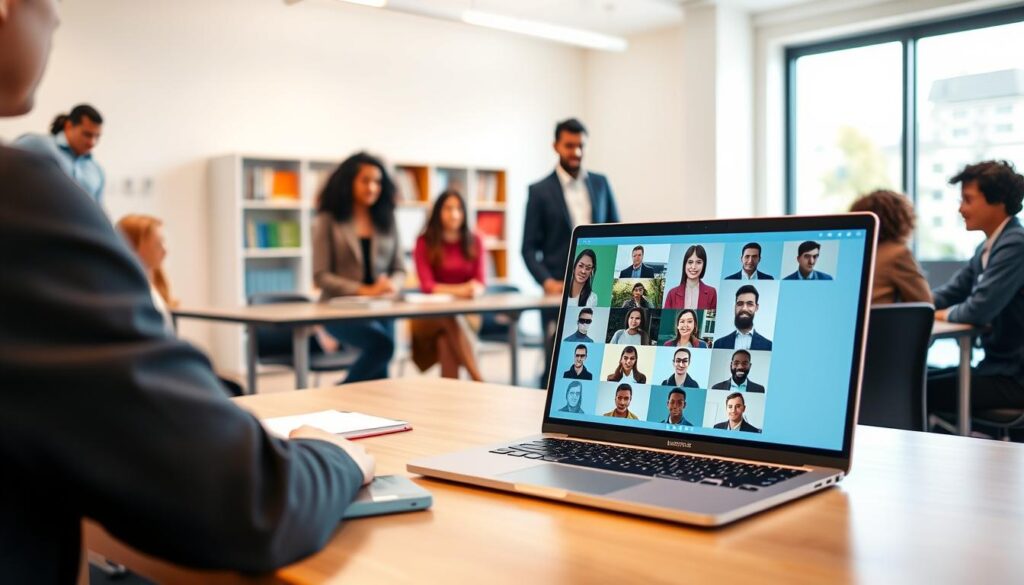
Remote learning means teaching and testing when students and teachers are not in the same place. They connect using the internet or other media. This includes live sessions like Zoom, and recorded lessons or discussion boards on platforms like Canvas.
What is Remote Learning?
Remote learning uses technology to connect students and teachers over a distance. Platforms like Canvas, Blackboard, and Moodle hold course materials, quizzes, and grades. Tools like Zoom and Google Meet allow real-time interaction.
Slack and Microsoft Teams help students work together online. Content providers like Khan Academy and Coursera offer extra lessons and certificates. Two delivery styles shape remote learning: synchronous and asynchronous.
Synchronous lessons happen live and feel like regular classrooms. Asynchronous lessons let students learn on their own time using recordings and discussion boards.
Benefits of Remote Learning
Remote learning offers flexibility that helps adults balancing work or family duties. It also gives access to many courses and teachers from around the world.
Students save money on commuting and housing. Learning at their own pace helps students master material better. These benefits lead to success when combined with good study habits.
Remote learning also improves digital skills and self-directed learning. Platforms like Coursera offer certificates for career growth. Students also get better at managing their time with online classes.
There are challenges though. Isolation can affect how engaged students feel. Good technology and internet access are very important. Students need strong study habits to get the most from online learning.
| Aspect | Examples/Tools | How it Supports Learning |
|---|---|---|
| Learning Management Systems | Canvas, Blackboard, Moodle | Centralize content, assessments, and feedback for organized study |
| Video Conferencing | Zoom, Google Meet, Microsoft Teams | Enable live lectures, office hours, and synchronous interaction |
| Collaboration Tools | Slack, Microsoft Teams | Support group work, file sharing, and quick communication |
| Content Providers | Khan Academy, Coursera | Offer supplemental lessons, micro-credentials, and flexible modules |
| Delivery Formats | Synchronous and Asynchronous | Provide real-time engagement and self-paced study options |
| Key Outcomes | Digital literacy, time management | Essential skills that drive remote learning success |
Setting Up Your Learning Environment
A strong learning environment helps students build remote study skills with ease. Clear separation between study and leisure aids the brain. It switches the brain into focus mode and keeps routines steady.

Choose a dedicated space with low distractions and good natural or task lighting. Use an ergonomic chair and a desk at the right height. Proper ventilation keeps the area comfortable and lowers fatigue.
Choosing the Right Space
Declutter your workspace so only study essentials stay. A tidy desk reduces decision fatigue and sharpens your attention. Keep a visible calendar or planner nearby to track deadlines and sessions.
Noise-canceling headphones like Sony WH-1000XM5 or Bose QuietComfort block interruptions during classes. If home isn’t ideal, try a library study room or coworking space for focus.
Essential Tools and Technology
Reliable hardware is crucial for virtual classrooms. Use a dependable laptop or desktop with a clear webcam and good microphone. An external monitor helps with research and multitasking.
High-speed internet ensures stable video calls. Aim for at least 25 Mbps during live sessions. Keep a backup power source ready to avoid meeting disruptions.
Key software supports daily learning tasks. Access your school’s LMS like Canvas or Blackboard. Use video apps such as Zoom or Google Meet. Choose note-taking tools like Microsoft OneNote or Evernote.
Cloud storage options like Google Drive or Dropbox protect files and make collaboration easy. Task managers like Trello or Todoist help organize assignments and deadlines.
Accessibility tools improve learning efficiency. Screen readers and Zoom captions assist diverse needs. Grammarly supports writing, and RescueTime tracks focus to improve study skills.
Cybersecurity is important. Use strong passwords and enable two-factor authentication. Keep your software updated. On public Wi-Fi, use a secure connection or VPN to protect data.
| Category | Recommended Items | Why It Helps |
|---|---|---|
| Hardware | Reliable laptop/desktop, webcam, microphone, external monitor, UPS | Ensures clear video, audio, and uninterrupted work in the virtual classroom |
| Connectivity | 25+ Mbps internet, wired Ethernet when possible | Stable synchronous sessions and faster uploads for assignments |
| Software | Canvas or Blackboard, Zoom/Google Meet, OneNote/Evernote, Google Drive | Centralizes course content, meetings, notes, and file backups |
| Productivity | Trello or Todoist, RescueTime, visible calendar | Improves time management and measures study patterns for better remote study skills |
| Accessibility & Support | Screen readers, Zoom captions, Grammarly | Makes materials usable for diverse learners and strengthens written communication |
| Security | Strong passwords, two-factor authentication, VPN | Protects accounts and personal data during online study from home tips |
Creating a Learning Schedule
A clear schedule turns scattered efforts into steady progress. Remote classes need self-regulation and discipline. Structured time management helps reduce procrastination and lowers stress.
Students who study when they feel most alert often remember more and focus better.
Importance of Time Management
Time blocking and the Pomodoro Technique help students work in focused intervals. These methods reduce delays and improve memory of course material. Studying when you feel most awake boosts brain function and cuts tiredness.
Having a routine builds good study habits. Regular reviews and short breaks prevent burnout. Students with steady schedules manage assignments better and feel more confident for exams.
Tips for Effective Planning
Start by listing fixed commitments like work and live class times. Then, set weekly priorities and daily goals. Use calendar blocks for study, review, and rest periods. Small, repeatable routines help maintain remote study skills.
Good tools include Google Calendar for schedules and Trello or Asana for tasks. Add Zoom links to calendars so live sessions fit naturally. For big projects, track deadlines and set milestone dates backwards.
To prep for exams, plan spaced-repetition sessions with Anki or Quizlet. Build accountability with a study partner and reward consistency with small treats. Check the schedule regularly to adjust and improve remote learning.
Staying Motivated in a Remote Setting
Remote learning can feel isolating when you lack a clear purpose. Learners who connect daily tasks to long-term goals keep momentum. This short guide helps students set purpose and use practical techniques for remote learning success.
Finding Your Why
Students should list both intrinsic and extrinsic drivers. Career advancement, degree completion, personal growth, or employer requirements form different priorities. Writing a goal statement clarifies what matters most.
Set measurable targets, like finishing a certification in six months or earning a B+ or higher. Link daily tasks to each goal to see clear progress. Journaling or a vision board keeps purpose visible and lifts motivation during slow weeks.
Techniques to Boost Motivation
Break large projects into small goals to avoid burnout. Use the two-minute rule: if a task takes two minutes, do it now. Schedule demanding work when focus is strongest for better results.
Try gamification with apps like Habitica to reward streaks. Join study-with-me sessions or forums for peer accountability. Small rituals like a warm-up, playlist, or special mug can trigger focused work.
Use habit trackers and progress bars to see gains. Social accountability groups create real deadlines. Combine these virtual strategies with routines for effective study from home tips.
Engaging with Course Material
Active engagement turns passive watching into real learning. Students who want success in remote learning combine smart study habits with digital tools. Small, steady efforts help build memory and skill in the virtual classroom.
Active Learning Strategies
Active learning means students must process and work with the information. Techniques like self-explanation and retrieval practice deepen understanding. Teaching others helps learners clarify knowledge.
Practice testing and flashcards using Anki or Quizlet make reviewing the material regular and effective. Cornell note-taking organizes ideas clearly. Summarizing after lectures improves memory.
Concept maps show how topics connect. Peer teaching in study groups helps fix misunderstandings. Spaced repetition and interleaving boost long-term memory. Deliberate practice fits skill courses where focused repetition and feedback raise performance.
These active strategies are key to remote learning success.
Utilizing Multimedia Resources
Using different media fits many learning styles and keeps students interested. Video lectures, podcasts, simulations, and interactive quizzes offer more than just text lessons. Virtual labs provide hands-on practice.
Sites like Khan Academy, Coursera, edX, and PBS LearningMedia are trusted resources. Textbook-linked publisher sites often have practice problems and guided readings that match school programs.
Pause videos to take notes. Using transcripts or captions helps understanding. Recording personal study sessions creates custom review material. Pairing readings with short practice tasks raises retention when using digital tools in the virtual classroom.
Communicating with Instructors
Clear communication shapes success in a virtual classroom. Students who use concise messages, respectful tone, and organized details reduce misunderstandings.
This approach helps speed up responses. Brief records of each exchange help track deadlines and feedback during online education.
Best practices for online communication
Use a direct subject line listing the course code and topic. Begin with a polite greeting and state the purpose in one sentence.
Add relevant context in the next sentence. When messaging, attach screenshots or timestamps if the issue relates to a lecture clip or assignment prompt.
Reach out before a deadline when a problem appears. Attend office hours via Zoom or visit campus when available.
Test audio and video before a live session. Mute when not speaking and use chat for short clarifications.
Save sent messages and submission confirmations for reference.
Knowing the right questions to ask
Ask focused questions that point to a specific rubric item or learning outcome.
Example prompts include: “Can you clarify how the rubric defines ‘analysis’ for this task?” and “Would you share a brief example of an ideal thesis for this assignment?”
Frame requests by explaining what was tried and where confusion remains. Cite exact slide numbers, timestamps, or quoted lines.
Propose meeting times or suggest a draft review. Early feedback on practice problems or outlines builds remote study skills and improves chances for success.
| Situation | Suggested Message Structure | Benefit |
|---|---|---|
| Clarify grading rubric | Subject: PSY 201 – Rubric question. One-line purpose, cite rubric item, ask for example. | Faster, actionable guidance on expectations |
| Request draft feedback | Subject: ENG 102 – Draft review request. Brief summary of main claim, attach draft, propose 20-minute slot. | Early instructor input improves final submission |
| Technical issue during quiz | Subject: ECON 301 – Quiz upload error. Include timestamp, screenshot, browser info, and desired remedy. | Speeds resolution and documents the problem |
| Resource recommendation | Subject: HIST 110 – Request for sources. State topic, what was consulted, ask for recommended readings. | Expands research and supports independent study |
Building a Support Network
Remote learning works best when a student has people to lean on. A clear support network reduces isolation and increases chances for success.
Small, regular interactions recreate classroom dynamics. They keep study days structured and productive.
Importance of Peer Connections
Peer connections cut loneliness and create accountability. Study groups on Zoom or Microsoft Teams replicate in-person collaboration.
Course discussion boards and virtual clubs provide regular touchpoints. These make virtual learning feel less solitary.
Using Facebook groups or Discord servers tied to a major brings diverse perspectives. Shared notes, peer feedback, and co-working raise focus and productivity.
These habits support success by turning individual effort into group momentum.
Reaching Out for Help
Students should use campus supports early and often. Academic advisors, tutoring, writing centers, counseling, and disability services offer tailored help.
Contacting these offices before problems grow prevents missed deadlines and bigger setbacks.
Practical ways to get help include scheduling virtual tutoring and submitting tickets to LMS help desks. Students can also contact financial aid or student services with questions.
When balancing work and study, students can ask family or employers for logistical support. This helps them follow study from home tips effectively.
Seek help when comprehension lags, technical issues occur, or stress feels overwhelming. Quick outreach keeps progress steady toward remote learning success.
Balancing Responsibilities
Juggling employment, coursework, and personal life demands a clear plan. Learners reach remote learning success by setting firm boundaries, sharing calendars with roommates or family, and telling supervisors about class blocks. Small steps prevent overload and keep priorities visible.
Managing Work, School, and Personal Life
They should negotiate flexible schedules when possible and use shared calendars like Google Calendar. Mark study windows and work shifts clearly.
A simple rule is to block two to four focused study sessions per weekday. Protect those times as nonnegotiable.
Part-time enrollment or leave-of-absence policies can reduce strain. These options help without sacrificing progress.
Use the Eisenhower Matrix to sort tasks into urgent, important, delegate, and drop. This tool shows what can wait and what needs quick attention.
Communicate your availability to colleagues and family. This reduces interruptions during study blocks.
Strategies for Reducing Stress
Evidence-based habits support distance learning and protect mental health. Aim for seven to nine hours of sleep, regular exercise, and consistent meal times.
Short mindfulness sessions with apps such as Headspace or Calm fit tight schedules and improve focus.
Adopt micro-breaks every 25 to 50 minutes and practice progressive muscle relaxation. Limit doomscrolling on social media, which increases fatigue.
These study habits raise attention span and cut fatigue. When stress grows, campus counseling centers and Employee Assistance Programs offer support and accommodations.
Evaluating Your Progress
Regular review helps students measure growth and guide study habits toward remote learning success. Brief reflection keeps momentum. Small checks spot gaps early and make online education manageable.
The first step is setting goals that guide weekly work and long-term milestones. SMART goals—specific, measurable, achievable, relevant, time-bound—turn vague intentions into clear targets.
Examples include set study hours per week, assignment grade aims, module completion dates, or earning a certificate by a set month.
Break larger aims into monthly and weekly tasks. Track those targets in Google Sheets or Notion. Weekly reflections, quizzes, and a progress journal give snapshots of retention.
These checkpoints support steady advancement and make goal setting practical and repeatable.
Setting Personal Goals
Create a simple goal sheet with concrete indicators. Use numbers: hours studied, percent score targets, and modules finished. Update the sheet every week.
- Define one academic goal per course for the month.
- List three weekly tasks that map to that goal.
- Record time spent on each task for comparison with outcomes.
Students should revise goals when workload or priorities change. Small, frequent wins build confidence and keep effort aligned with results.
Using Feedback to Improve
Feedback is essential to refine skills. Instructor comments, peer reviews, and rubric scores reveal where revision is needed.
Interpreting these signals turns critique into a plan for rewriting or more practice.
Request formative feedback early. Submit drafts before deadlines to allow time for revisions. Use grade breakdowns to find weak areas.
If retention is low, apply more active recall techniques and adjust study length.
| Item Tracked | Metric | Action When Below Target |
|---|---|---|
| Weekly study hours | Hours logged in Google Sheets | Shift schedule, set 25-minute focused blocks using a timer |
| Assignment grades | Percent and rubric categories | Analyze rubric, request feedback, revise draft |
| Module completion | Modules finished per month | Break module into weekly lessons, prioritize key content |
| Knowledge retention | Quiz scores and self-assessment | Increase active recall, add spaced review sessions |
Track grades over time to spot trends. Compare time spent with outcomes to see what works best. This data-driven approach boosts study methods for success.
When students use clear goals and act on feedback, the path through online education becomes clear and responsive. Small, steady changes improve performance and progress.
Embracing Flexibility
Remote learning success depends on adapting when course formats change. Programs can switch between synchronous, asynchronous, hybrid, or in-person meetings. Students should review new syllabi, update calendars, and test platforms like Canvas or Zoom early.
This preparation reduces friction and helps maintain learning momentum. Practical virtual learning strategies ease the adjustment. Simple checklist steps include confirming attendance rules and noting assessment updates.
Students also should shift time blocks to match live sessions. Using techniques like timed retrieval practice and study sprints helps move from passive reading to active review.
Knowing when to pivot is as important as adapting fast. Signs like low grades, burnout, or conflicts show it may be time to change tactics. Key changes include altering study methods, reducing course load, seeking tutoring, or trying hybrid options.
Continuous improvement supports long-term success. Students must use evaluation data to set trial times for new methods. They should track results and talk to advisors before major changes.
Clear experiments with goals help refine learning strategies. This approach keeps remote learning effective over time.